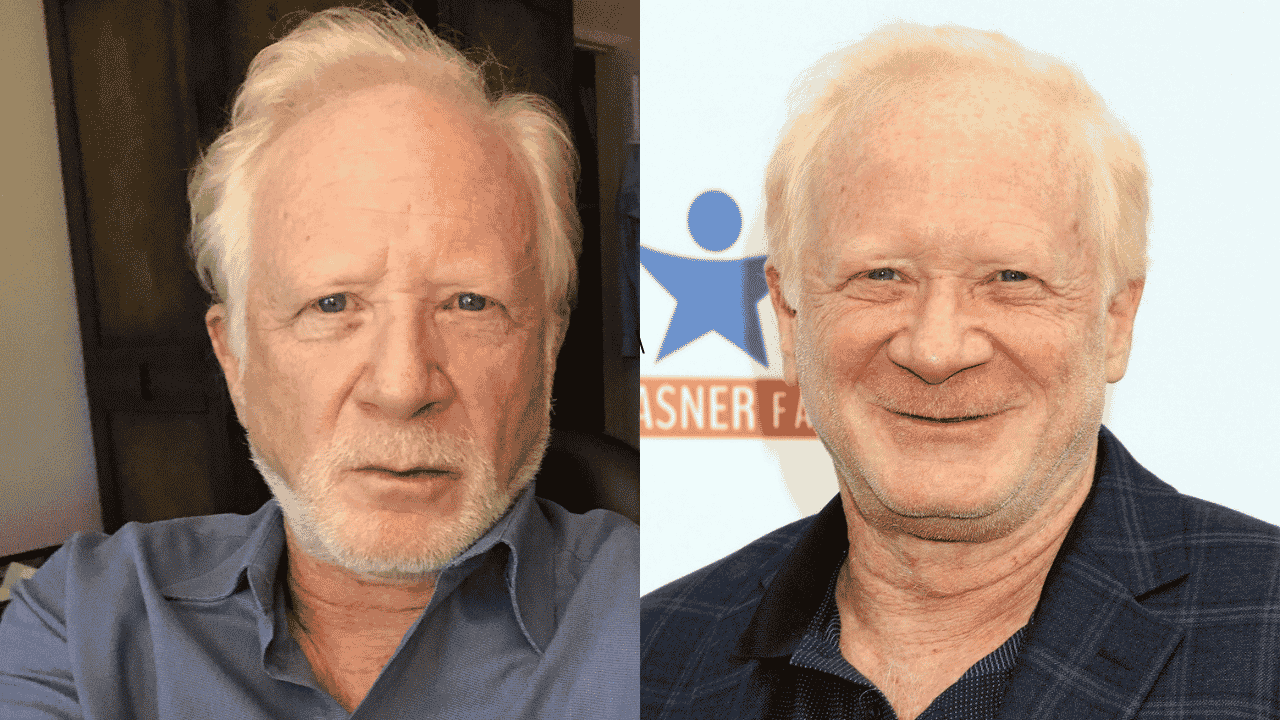
Don Most is an American actor, singer, and director best known for playing Ralph Malph in the popular television sitcom Happy Days. His performance as the witty and energetic teenager made him a familiar face to audiences during the 1970s and early 1980s. Although the character brought him widespread recognition, his professional life did not end when the sitcom finished. He continued working in television and films, explored directing, and developed a lasting interest in swing and jazz music. Today, Don Most is remembered not only for his contribution to one of America’s best-known sitcoms but also for the different creative paths he has followed throughout his career.
Who Is Don Most?
Don Most, whose full name is Donald Most, was born on August 8, 1953, in Brooklyn, New York. He grew up in a family environment where his interest in entertainment gradually developed into a serious ambition. From an early age, he enjoyed performing and became interested in acting, singing, and dancing. His early exposure to classic Hollywood films played a part in shaping his decision to pursue a career in entertainment. Over time, his determination and experience helped him move from local performances to professional television work.
Most became widely recognized through Happy Days, where he played Ralph Malph, one of the show’s memorable teenage characters. His natural comic timing made Ralph an entertaining part of the group, particularly during scenes involving Richie Cunningham and Potsie Weber. However, his professional interests extended beyond comedy and sitcom performances. He later worked in dramatic productions, films, voice acting, and independent filmmaking. His career demonstrates how an actor can build a professional identity beyond the role that first brings public recognition.
Don Most’s Early Life and Education
Don Most spent his childhood in Brooklyn, where he attended Erasmus Hall High School. His interest in performing began long before he became a familiar television personality. One of his early inspirations was the 1946 musical biographical film The Jolson Story, which encouraged him to think seriously about entertainment as a possible career. He started studying acting, singing, and dancing while still young. These early lessons helped him develop the skills he would later use in television, films, and musical performances.
At the age of 15, Most took part in a teenage musical revue that performed around New York’s Catskills Borscht Belt circuit. The experience gave him an opportunity to perform before live audiences and understand the demands of stage entertainment. After graduating from high school, he enrolled at Lehigh University in Pennsylvania in 1970. He initially considered engineering before changing his academic direction toward business. However, his growing interest in professional acting eventually became stronger than his plans for a conventional career.
Most left university in 1973 and moved to Hollywood to pursue acting opportunities. Moving away from his familiar surroundings was a major decision, especially for someone at the beginning of his professional life. He had to compete for auditions and establish himself in an entertainment industry where many aspiring performers were looking for the same opportunities. His early experiences helped him understand the importance of persistence and preparation. Within a relatively short period, he secured television work that eventually led to his breakthrough role.
How Don Most Started His Acting Career
Before becoming associated with Happy Days, Don Most appeared in television productions that helped him gain professional experience. One of his early television appearances was in the police drama Emergency!, which gave him an opportunity to work in a professional television environment. He also appeared in Police Story, another production that contributed to his early screen experience. These roles were important stepping stones, even though they did not bring the same public recognition as his later sitcom work. They helped him become more comfortable with television production and the process of working in front of a camera.
His major opportunity arrived when he auditioned for Happy Days. According to his career background, he went through multiple auditions before securing the role of Ralph Malph. The character was initially imagined differently, but the creative team recognized Most’s comedic ability and decided to develop Ralph into a more humorous personality. This decision suited his natural performance style and helped establish the character’s place in the sitcom. His casting became the turning point that introduced him to a much larger television audience.
Don Most’s Role as Ralph Malph in Happy Days
Happy Days premiered in 1974 and became one of the most recognizable American sitcoms of its era. Set mainly in the 1950s, the series followed the lives of teenagers and their families in Milwaukee, Wisconsin. Don Most played Ralph Malph, a humorous and sometimes mischievous teenager who was part of the central friendship group. His character was known for making jokes, teasing friends, and bringing comic energy to everyday situations. Ralph’s personality helped balance the more straightforward nature of Richie Cunningham and the different comic style of Potsie Weber.
The show’s success gave Most an opportunity to work alongside several established and emerging television performers. His co-stars included Ron Howard as Richie Cunningham, Anson Williams as Potsie Weber, and Henry Winkler as Arthur Fonzie Fonzarelli. The wider cast also featured Tom Bosley and Marion Ross as Howard and Marion Cunningham. Working with this ensemble helped create the friendly atmosphere that became one of the show’s defining features. The relationships between the characters were a major reason viewers continued following their stories.
Ralph Malph became memorable because he was more than a background friend in Richie’s social circle. His jokes and playful behavior gave the sitcom another source of humor, while his friendships made him a regular part of its emotional and comedic stories. Don Most brought a relaxed style to the character that made his performances feel natural. His work on the show also introduced him to audiences who continued following his career after the series ended. For many viewers, Ralph remains the role most closely associated with his name.
Why Don Most Left Happy Days
Don Most left Happy Days as a regular cast member after its seventh season in 1980. His decision came while the sitcom was still an important part of American television, making his departure a notable career choice. He wanted to avoid being identified exclusively with Ralph Malph and hoped to explore different acting opportunities. Remaining in a successful sitcom can provide professional stability, but it can also make it difficult for an actor to establish a different screen identity. Most wanted the chance to take on characters that were not limited to the personality audiences already knew.
His departure reflected a desire to build a career beyond a single television role. Ron Howard also moved away from the regular cast during this period as he focused increasingly on directing and filmmaking. Most continued to have a connection with the Happy Days world, and he later returned for the show’s final season. His decision did not mean that he rejected the experience or regretted playing Ralph. Instead, it showed that he wanted to keep developing as a performer rather than spend his entire career repeating one successful character.
Don Most’s Career After Happy Days
After leaving the regular cast of Happy Days, Don Most continued looking for opportunities in television and film. Moving beyond Ralph Malph was not always easy because audiences and casting professionals naturally associated him with the popular sitcom character. This type of recognition can be helpful, but it can also create limitations when an actor wants to be considered for different roles. Most continued working rather than stepping away from the entertainment industry. His later appearances allowed him to explore different characters and demonstrate a broader range of performance skills.
His film work includes appearances in productions such as Crazy Mama, Huckleberry Finn, EDtv, The Great Buck Howard, The Yankles, and Unsung Hero. He also appeared in television productions that included Star Trek: Voyager, Glee, and Men of a Certain Age. In Glee, he played Rusty Pillsbury, adding another recognizable television appearance to his career. These projects differed in tone and subject matter from Happy Days, giving him opportunities to work in comedy, drama, and other forms of storytelling. His filmography reflects a career built through continued work rather than one dependent on a single production.
Most also explored voice acting, which gave him another way to use his performance experience. His involvement with The Fonz and the Happy Days Gang connected him with an animated version of the familiar television world. Voice performances require actors to communicate personality and emotion without relying on facial expressions or physical movement. This work added another dimension to his entertainment career. It also demonstrated that his professional interests were not limited to traditional live-action television appearances.
Don Most Movies and TV Shows
Don Most’s acting credits cover several decades and include television series, feature films, and animated productions. While Happy Days remains his most recognizable project, his later work shows that he continued accepting different kinds of roles. Some productions gave him opportunities to work with familiar actors and directors, while others introduced him to new audiences. His film and television appearances are useful for understanding how his career developed after the sitcom. They also show why it would be inaccurate to describe him only as the actor who played Ralph Malph.
Some notable projects associated with his career include:
- Crazy Mama (1975)
- Huckleberry Finn (1975)
- The Fonz and the Happy Days Gang (1980–1982)
- EDtv (1999)
- The Great Buck Howard (2008)
- The Yankles (2009)
- Men of a Certain Age (2009–2011)
- Star Trek: Voyager
- Glee
- Far Haven (2023)
- Unsung Hero (2024)
- Harsens Island Revenge (2025)
His appearances in these productions reflect a willingness to work across different entertainment formats. Some of the projects involved comedy, while others placed him in dramatic or family-oriented stories. His collaboration with director Ron Howard on EDtv was also an interesting connection to his earlier television career. Instead of relying entirely on nostalgia, Most continued to take part in projects that