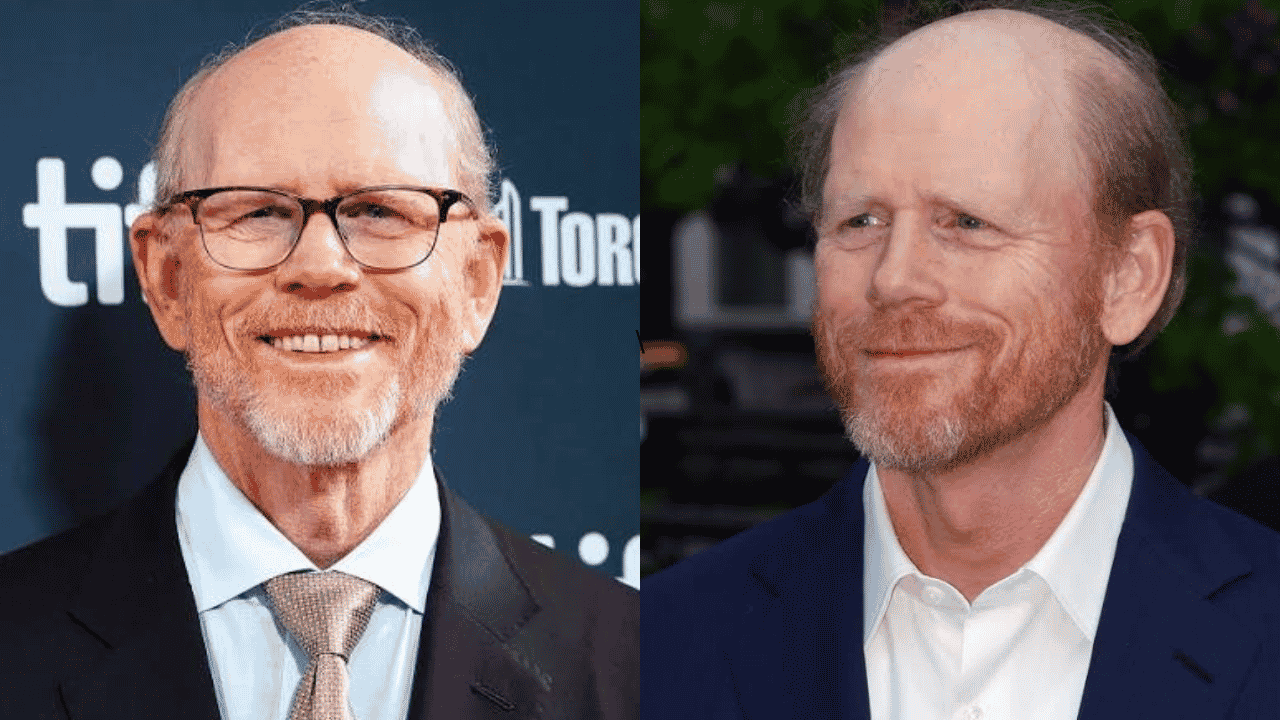
Ron Howard has spent most of his life in front of cameras, but his greatest achievements came after he moved behind them. Audiences first knew him as a child actor on television, then as Richie Cunningham on the popular sitcom Happy Days. Over time, he built a successful career directing films, producing television projects, and telling stories based on real events. His work includes Apollo 13, A Beautiful Mind, Frost/Nixon, and Rush, along with documentaries about musicians, artists, and people who have made a difference. His journey from a young performer to one of Hollywood’s best-known filmmakers is also a story of family support, persistence, and a lasting partnership with producer Brian Grazer.
Who Is Ron Howard?
Ron Howard is an American actor, director, producer, and filmmaker born on March 1, 1954, in Duncan, Oklahoma. His full name is Ronald William Howard, and he grew up in a family closely connected to the entertainment industry. His parents, Rance Howard and Jean Speegle Howard, were both actors, so he became familiar with film and television work at an early age. He first gained widespread recognition for playing Opie Taylor on The Andy Griffith Show before becoming Richie Cunningham on Happy Days. Although many viewers still remember him for those television roles, his directing career eventually became the defining part of his professional life.
Howard’s career covers several generations of American entertainment, from classic television sitcoms to major Hollywood productions and streaming documentaries. He has worked with actors, writers, musicians, and producers across different genres, which has helped him avoid being associated with only one type of film. His projects include comedies, dramas, historical stories, science fiction, and documentaries. He has also built a long-running production partnership with Brian Grazer through Imagine Entertainment. This combination of acting, directing, and producing has made him an influential figure in the film and television industry.
Ron Howard’s Early Life and Family Background
Ron Howard was born to Rance Howard and Jean Speegle Howard, both of whom had professional experience in acting. His father worked as an actor, writer, and director, while his mother appeared in film and television productions. The family eventually settled in California, where Ron grew up around the entertainment business. His younger brother, Clint Howard, also became an actor and appeared in many television shows and movies. Growing up in this environment gave Ron an early understanding of how productions worked, although his parents also tried to keep his childhood from becoming entirely focused on acting.
His parents were careful about balancing his professional opportunities with his education and personal development. They wanted him to attend school and spend time with other children rather than treating acting as his only responsibility. Howard attended John Burroughs High School in Burbank, California, while continuing to work in television and film. This balance helped him experience ordinary school life while learning about the demands of a professional career. His upbringing also gave him a close connection to his family, a relationship that remained important throughout his adult life.
Ron Howard’s First Acting Roles as a Child
Howard began acting before most children are old enough to remember their early experiences. His first film appearance was in Frontier Woman in 1956, when he was still a toddler. He later appeared in The Journey, a 1959 film starring Yul Brynner and Deborah Kerr. His early work also included stage performances, giving him experience beyond film and television. These small beginnings eventually led to opportunities that made him a familiar face to American television audiences.
One of the most significant early opportunities came when Howard joined The Andy Griffith Show. He played Opie Taylor, the young son of Sheriff Andy Taylor, portrayed by Andy Griffith. The show became popular for its warm humor, memorable characters, and stories about life in a small American town. Howard’s performance made Opie an important part of the series, and audiences watched him grow up over its run. Working with experienced performers also gave him valuable lessons about timing, character development, and the discipline required on a television set.
His Experience on The Andy Griffith Show
The Andy Griffith Show premiered in 1960 and became one of the most recognizable sitcoms of its era. Howard appeared as Opie Taylor throughout the show’s original run, developing a strong screen relationship with Andy Griffith. Their characters often shared stories about childhood mistakes, family values, and everyday lessons. The show’s format gave Howard the chance to perform in both funny and emotional scenes. His work on the series established him as a capable young actor rather than simply a child appearing in the background.
The experience also helped him understand how television productions were organized. He observed directors, camera operators, editors, and other crew members while learning how scenes were prepared and filmed. This exposure later became useful when he started making his own short films. Although his first major success came through acting, his interest in the production side of entertainment was already developing. The years he spent on the show laid the groundwork for his later transition into filmmaking.
Ron Howard in Happy Days
After his success as Opie Taylor, Howard became widely known for another television character, Richie Cunningham, on Happy Days. The sitcom premiered in 1974 and followed a group of teenagers and their families during an idealized version of 1950s American life. Richie was presented as a friendly, responsible young man who often found himself dealing with school, relationships, and family situations. Howard’s performance gave the character a relatable quality that helped audiences connect with the show’s stories. Happy Days became a major television success and introduced him to a new generation of viewers.
The series also featured memorable characters played by Henry Winkler, Anson Williams, Don Most, Marion Ross, and Tom Bosley. Winkler became especially popular as Arthur Fonzarelli, better known as Fonzie, while Don Most played Ralph Malph. These characters gave the sitcom a lively group dynamic and helped make its ensemble cast one of its biggest strengths. Howard remained one of the central performers during the show’s early years. His work on Happy Days strengthened his reputation as a television actor, but he was already thinking about what he wanted to do after acting.
Why He Left Happy Days
Howard eventually decided to move away from regular television acting so he could concentrate more seriously on directing. He left the show’s regular cast in 1980, although he returned for its final season. This was a major professional decision because Happy Days was still a successful series and had given him considerable recognition. Leaving a popular role involved taking a risk, especially when he was moving toward a career where he had less experience and no guarantee of success. However, he wanted to develop his abilities as a filmmaker instead of spending his entire career playing the same kind of television character.
His decision did not mean that he rejected his acting background. Instead, he used the experience he had gained on television as a foundation for a different kind of work. Years of performing had taught him how actors approached scenes, how directors communicated with casts, and how a story needed to hold an audience’s attention. These lessons became useful when he started directing feature films. His move away from Happy Days marked an important turning point in his career.
How Ron Howard Became a Film Director
Howard’s interest in directing developed while he was still working as an actor. As a teenager, he experimented with a Super 8 camera and made short films during his free time. He paid attention to how professional productions were organized and asked crew members questions about camera work and filmmaking techniques. Rather than waiting until his acting career ended, he began learning the practical side of directing whenever he had an opportunity. These early experiments helped him understand that making a film involved much more than appearing in front of a camera.
His first major feature-film opportunity came through producer Roger Corman, who was known for giving young filmmakers a chance to work on low-budget productions. Howard agreed to act in Eat My Dust! in 1976, but he also wanted the opportunity to direct a film. He negotiated with Corman and eventually secured a chance to direct his own feature. The project became Grand Theft Auto, released in 1977, which Howard also co-wrote with his father, Rance Howard. He was only 23 when he directed the film, making it an important early achievement in his transition from actor to filmmaker.
Grand Theft Auto and His First Directing Experience
Grand Theft Auto was a low-budget action comedy about young people trying to escape parental control and take part in a car race. It gave Howard the opportunity to handle the responsibilities of directing a feature film rather than simply experimenting with short projects. The production required him to manage actors, coordinate scenes, work within a budget, and make decisions under practical limitations. His father contributed to the screenplay, making the project a professional collaboration between the two family members. The experience gave Howard a starting point for the larger productions he would direct in the following years.
The film did not immediately place him among Hollywood’s leading directors, but it showed that he could complete a feature and work with a production team. It also gave him experience that could not be gained from observing other directors alone. He learned how to deal with unexpected problems and keep a production moving toward completion. Those skills became increasingly valuable as his projects grew in scale and ambition. His early work with Roger Corman played a major part in opening the door to his directing career.
Ron Howard’s Partnership with Brian Grazer
One of the most important professional relationships in Howard’s career is his partnership with producer Brian Grazer. The two met in 1981 and began working together on Night Shift, released in 1982. Their collaboration continued with Splash in 1984, a romantic comedy that became a major success. They discovered that their creative interests and approaches to filmmaking worked well together. Their professional relationship eventually led to the creation of Imagine Entertainment in 1986.
Imagine Entertainment became a major production company involved in films, television programs, and documentaries. Howard and Grazer built the company around finding stories that could connect with audiences across different formats. Its projects have included films as well as television productions such as Felicity, 24, and Arrested Development. The company gave Howard an opportunity to take part in projects beyond those he personally directed. His work as a producer became another important part of his career, allowing him to help develop stories and support other filmmakers.
Why Imagine Entertainment Matters to His Career
Imagine Entertainment helped Howard move beyond the traditional role of a film director. Through the company, he could develop projects, work with writers and producers, and become involved in television productions. This gave him more creative and business responsibilities than directing individual films alone. His partnership with Grazer also provided continuity across decades of changing film and television trends. Their long working relationship remains one of the most recognizable producer-director partnerships in Hollywood.
Ron Howard Movies and TV Shows
Ron Howard’s filmography includes acting performances, directing credits, and producing work. His career as an actor began in childhood, while his work behind the camera became increasingly prominent from the late 1970s onward. He has directed films with different subjects, budgets, and styles, showing an interest in stories that do not fit into one category. His movies have featured space missions, family relationships, sports, historical events, crime, and personal struggles. The following titles represent some of the most recognizable parts of his work.
Popular Movies Directed by Ron Howard
- Grand Theft Auto (1977): His first feature film as a director, which introduced him to feature filmmaking.
- Night Shift (1982): A comedy that helped establish his working relationship with Brian Grazer.
- Splash (1984): A romantic comedy about a man who falls in love with a woman who is secretly a mermaid.
- Cocoon (1985): A science fiction drama about older residents who encounter mysterious visitors.
- Willow (1988): A fantasy adventure that became one of his best-known genre films.
- Parenthood (1989): A comedy-drama about the pressures and complications of raising children.
- Backdraft (1991): A dramatic film centered on firefighters and dangerous fires in Chicago.
- Apollo 13 (1995): A historical drama based on the real NASA mission that faced a life-threatening emergency.
- A Beautiful Mind (2001): A biographical drama about mathematician John Nash.
- Cinderella Man (2005): A sports drama about boxer James J. Braddock.
- The Da Vinci Code (2006): A mystery thriller based on Dan Brown’s bestselling novel.
- Frost/Nixon (2008): A political drama about the television interviews between David Frost and Richard Nixon.
- Rush (2013): A sports drama focused on Formula One drivers James Hunt and Niki Lauda.
- Solo: A Star Wars Story (2018): A science fiction adventure following a younger Han Solo.
- Thirteen Lives (2022): A survival drama based on the rescue of a youth football team from a flooded cave in Thailand.
His Television Acting and Producing Work
Although his directing career receives much of the attention, Howard’s television work remains a major part of his professional history. His best-known acting roles are Opie Taylor in The Andy Griffith Show and Richie Cunningham in Happy Days. He also appeared in television productions during his younger years and continued to make occasional acting appearances later in his career. His experience as a television performer gave him an understanding of how stories and characters develop across multiple episodes. As a producer, he has also been connected with television projects that reached audiences through different networks and platforms.
His television work includes a connection to Arrested Development, a comedy series produced by Imagine Entertainment. The show developed a loyal audience through its unusual storytelling style and ensemble cast. Imagine’s involvement reflects Howard’s role in producing television content even when he was not appearing on screen or directing every episode. His career therefore includes more than a list of films bearing his name as director. It also involves helping other creative teams bring their projects to television.
Apollo 13 and A Beautiful Mind: Two Major Career Achievements
Apollo 13, released in 1995, is one of the most recognized films in Howard’s directing career. It tells the story of the 1970 NASA mission that suffered a serious technical failure while traveling toward the Moon. The astronauts and ground teams had to find a way to bring the damaged spacecraft safely back to Earth. The film featured Tom Hanks, Kevin Bacon, Bill Paxton, and Ed Harris. Howard’s direction balanced the technical details of the mission with the fear and determination experienced by the people involved.
The film received nine Academy Award nominations and won two, including awards for film editing and sound. Its success demonstrated Howard’s ability to turn a complicated historical event into an accessible and suspenseful film. Audiences could follow the technical problems without losing sight of the human experiences at the center of the story. The film also showed how effectively he could direct a large cast while maintaining a clear narrative. Apollo 13 remains one of the defining films of his career.
A Beautiful Mind, released in 2001, became another major achievement for Howard. The film follows mathematician John Nash, whose work in game theory earned him international recognition while his personal life was affected by schizophrenia. Russell Crowe played Nash, with Jennifer Connelly appearing as his wife, Alicia. The story combined academic achievement, relationships, mental illness, and the struggle to maintain a meaningful life. Howard approached the subject as a character-driven drama rather than presenting Nash’s achievements as a simple account of mathematical success.
The film received eight Academy Award nominations and won four, including Best Picture and Best Director. These awards brought Howard some of the highest recognition available in the film industry. His success with A Beautiful Mind confirmed that he could direct serious dramas while continuing to work in other genres. It also strengthened his reputation as a filmmaker who could handle stories based on real people. The film remains one of the most important titles when discussing his career and awards.
Ron Howard’s Awards and Achievements
Howard has received recognition from the film and television industries for his work as an actor, director, and producer. His Academy Awards for A Beautiful Mind are among his most important achievements, but his career has also been recognized through television honors and national cultural awards. These achievements reflect the fact that his work has reached audiences through several forms of entertainment. He has not limited his career to directing theatrical releases, and his television and documentary projects have also received attention. His awards record is therefore connected to a career that spans several decades.
Some of his notable honors and achievements include:
- Academy Awards for Best Director and Best Picture for A Beautiful Mind.
- A National Medal of Arts presented in 2003.
- Induction into the Television Hall of Fame in 2013.
- Directors Guild of America recognition for his directing work.
- Two stars on the Hollywood Walk of Fame, recognizing his contributions to film and television.
- Emmy recognition connected with television productions and documentary work.
His achievements also include the continued success of Imagine Entertainment. Building a production company that remains active across film and television is a different kind of accomplishment from winning an individual award. Howard has been able to maintain a directing career while also helping develop projects led by other creative people. This has given him a lasting role in the entertainment business. His influence comes from both the films he has directed and the productions he has helped bring to audiences.
Ron Howard’s Wife, Cheryl Alley
Ron Howard married Cheryl Alley on June 7, 1975. Cheryl, who is also known as Cheryl Howard, has remained his partner throughout the many stages of his career. Their marriage began before Howard became an established film director, so she was part of his life during the transition from television acting to filmmaking. Unlike her husband, she has generally maintained a more private public profile. Their long marriage is often mentioned as an important part of Howard’s personal life.
Cheryl has also been involved in creative work, including writing. She has appeared in some productions connected with her husband’s career, although she has not pursued the same level of public attention. Howard has spoken about the importance of his family and the support he has received throughout his professional life. Their relationship has continued through major career changes, film productions, and the demands of raising four children. The couple’s long partnership is a personal part of his biography that sits alongside his professional achievements.
Ron Howard’s Children and Family Life
Ron Howard and Cheryl Howard have four children: Bryce Dallas Howard, twins Jocelyn Carlyle Howard and Paige Howard, and Reed Cross Howard. Their children have followed different paths, and some have developed careers in entertainment while others have chosen to remain more private. Howard has occasionally spoken about family life and the importance of keeping a stable home while working in Hollywood. His own experience as a child actor may have influenced the way he approached parenting. He understood the pressures of growing up around cameras and public attention.
Bryce Dallas Howard
Bryce Dallas Howard is the best-known of Ron Howard’s children. She has built a career as an actress and director, appearing in films such as The Village, Spider-Man 3, and the Jurassic World series. She has also directed episodes of television productions, including work connected with The Mandalorian. Her career has allowed her to establish her own identity in the entertainment industry rather than relying only on her father’s reputation. Ron and Bryce also share an interest in filmmaking, although they have developed their careers through different projects.
Paige and Jocelyn Howard
Paige Howard has worked as an actress and appeared in film and television productions. Her work includes roles in projects such as Adventureland and other independent productions. Jocelyn Carlyle Howard, Paige’s twin sister, has maintained a more private life and does not have the same public acting profile. The two sisters grew up in a family where film and television were familiar parts of everyday life. Their different career choices show that the Howard children have not all followed the same professional path.
Reed Howard
Reed Cross Howard is Ron and Cheryl’s youngest child. Unlike his father and older sister Bryce, Reed has pursued a career in golf rather than acting or directing. His professional interests have taken him into sports, giving the family a connection to a field outside the entertainment business. Ron’s family therefore includes people working in film, television, and athletics. This mix of interests is one reason his family life cannot be described only through Hollywood careers.
Ron Howard’s Relationship with His Father and Brother
Rance Howard played an important role in his son’s early development as an actor and filmmaker. He was not only a parent but also a working professional who understood the demands of the entertainment industry. Rance appeared in many productions during his career and sometimes worked on projects connected with Ron. Their collaboration on Grand Theft Auto is a clear example of how their professional lives overlapped. Rance’s experience gave Ron access to practical advice from someone who understood acting, writing, and directing.
Ron Howard’s younger brother, Clint Howard, also became a familiar face in Hollywood. Clint appeared in numerous films and television programs, often playing distinctive supporting characters. His credits include work with major directors and appearances in well-known franchises. The brothers followed different paths within the same industry, with Ron becoming a leading director and Clint building a long career as a character actor. Their shared family background makes the Howard name recognizable across several generations of film and television work.
Ron Howard’s Documentary Films
Documentary filmmaking has become another important part of Howard’s career. These projects have allowed him to tell stories about real people, historical events, music, and social issues. Rather than focusing only on fictional characters, he has explored the lives and work of people who have influenced culture and society. His documentary projects also show his continued interest in different kinds of storytelling. They give him an opportunity to combine research, interviews, archival material, and real-life footage.
Some notable documentary projects connected with Howard include:
- The Beatles: Eight Days a Week – The Touring Years (2016), which examines the band’s touring period and its impact on popular music.
- Pavarotti (2019), a documentary about the life and career of opera singer Luciano Pavarotti.
- We Feed People (2022), which follows chef José Andrés and the work of World Central Kitchen.
- Jim Henson: Idea Man (2024), a documentary about the creator of the Muppets and his creative legacy.
- Music by John Williams (2024), a documentary focused on the composer and his influence on film music.
These projects show that Howard’s interest in filmmaking extends beyond traditional narrative movies. His documentary work often focuses on people whose careers have influenced entertainment, culture, or humanitarian work. It also gives audiences access to personal stories and professional achievements that may not be widely understood. His ability to move between documentaries and fictional films has kept his career varied. It is another reason he remains active in the industry long after his early television success.
What Is Ron Howard Doing Now?
Howard continues to work as a filmmaker and producer. His recent documentary project Avedon focuses on photographer Richard Avedon and his influence on portrait photography and visual culture. The documentary premiered at the Cannes Film Festival in 2026 and became available on Netflix on November 11, 2026. The project adds another major artist to the list of people whose lives and work Howard has explored through documentary filmmaking. It also reflects his continuing interest in stories about influential creative figures.
Another project associated with Howard is Alone at Dawn, a planned film based on a real military story and expected to reach audiences in 2027. The project has been linked with actors Adam Driver and Anne Hathaway. Release plans can change during production, so its eventual schedule should be checked before publication. Howard’s recent work shows that he continues to move between documentaries and dramatic films. Rather than relying on his earlier successes, he remains involved in new stories and production opportunities.
Ron Howard Net Worth and Sources of Income
Ron Howard’s net worth is often discussed because he has worked in entertainment for most of his life. However, there is no publicly verified financial statement that confirms an exact figure. Online estimates should therefore be treated as unofficial rather than presented as established facts. His long career provides several possible sources of income, including acting, directing, producing, and business activities. His work through Imagine Entertainment is also an important part of his professional and financial background.
His income has come from different stages of his career. His early acting roles and successful television work provided a foundation, while directing major films brought him further opportunities. Producing projects through Imagine Entertainment expanded his involvement in the industry beyond individual film assignments. Documentary work and television productions have added further credits over the years. Since private contracts, company ownership details, and investment information are not fully public, any exact net worth figure should be presented with caution.
Ron Howard’s Legacy in Hollywood
Howard’s career is unusual because he succeeded in two demanding parts of the entertainment industry. He became a recognizable actor as a child, then managed to build a respected directing career after leaving regular television work. Many performers struggle to move beyond the roles that first made them famous, but Howard found a different path through filmmaking. His experience in front of the camera helped him understand actors, while his early interest in production gave him the motivation to learn directing. The result is a career that includes both memorable performances and widely recognized films.
His work also demonstrates the value of long-term professional relationships. His partnership with Brian Grazer helped establish Imagine Entertainment, while his family provided support through years of career changes. Films such as Apollo 13 and A Beautiful Mind remain important examples of his ability to turn real events and complicated personal stories into accessible cinema. His documentaries show that his interests have continued to grow beyond mainstream Hollywood films. His career is still developing, and his later projects continue to introduce him to audiences who may not remember his earliest television roles.
Conclusion
Ron Howard’s journey from child actor to award-winning director is built on years of experience, steady learning, and a willingness to take professional risks. His performances as Opie Taylor and Richie Cunningham made him famous, but his decision to pursue directing gave his career a much wider reach. From Grand Theft Auto to Apollo 13 and A Beautiful Mind, he has directed films that appeal to audiences with different interests. His partnership with Brian Grazer and the growth of Imagine Entertainment have also made him an important producer in film and television. With his family, documentary projects, and continuing work in Hollywood, Ron Howard remains a significant figure whose career extends far beyond the television roles that first introduced him to the public.
Frequently Asked Questions
1. How old is Ron Howard?
Ron Howard was born on March 1, 1954. He is 72 years old as of November 17, 2026. He was born in Duncan, Oklahoma, and began acting when he was very young. His career has continued across television, film, and documentary production.
2. What is Ron Howard most famous for?
He is widely known for playing Opie Taylor on The Andy Griffith Show and Richie Cunningham on Happy Days. He later became famous as a director through films such as Apollo 13, A Beautiful Mind, and The Da Vinci Code. His directing career brought him major awards and recognition. He is also known as the co-founder of Imagine Entertainment.
3. Who is Ron Howard’s wife?
Ron Howard’s wife is Cheryl Alley, also known as Cheryl Howard. They married on June 7, 1975, and have four children together. Cheryl has maintained a relatively private public profile compared with her husband. Their marriage has lasted through the different stages of Howard’s acting and directing career.
4. How many children does Ron Howard have?
Ron Howard has four children with his wife, Cheryl. Their names are Bryce Dallas Howard, Paige Howard, Jocelyn Carlyle Howard, and Reed Cross Howard. Bryce and Paige have worked in entertainment, while Reed has pursued golf. Jocelyn has kept a more private life.
5. What was Ron Howard’s first movie as a director?
Ron Howard’s first feature film as a director was Grand Theft Auto, released in 1977. He also co-wrote the screenplay with his father, Rance Howard. Producer Roger Corman gave him the opportunity after Howard agreed to act in Eat My Dust! The project helped him move from television acting into a long career behind the camera.