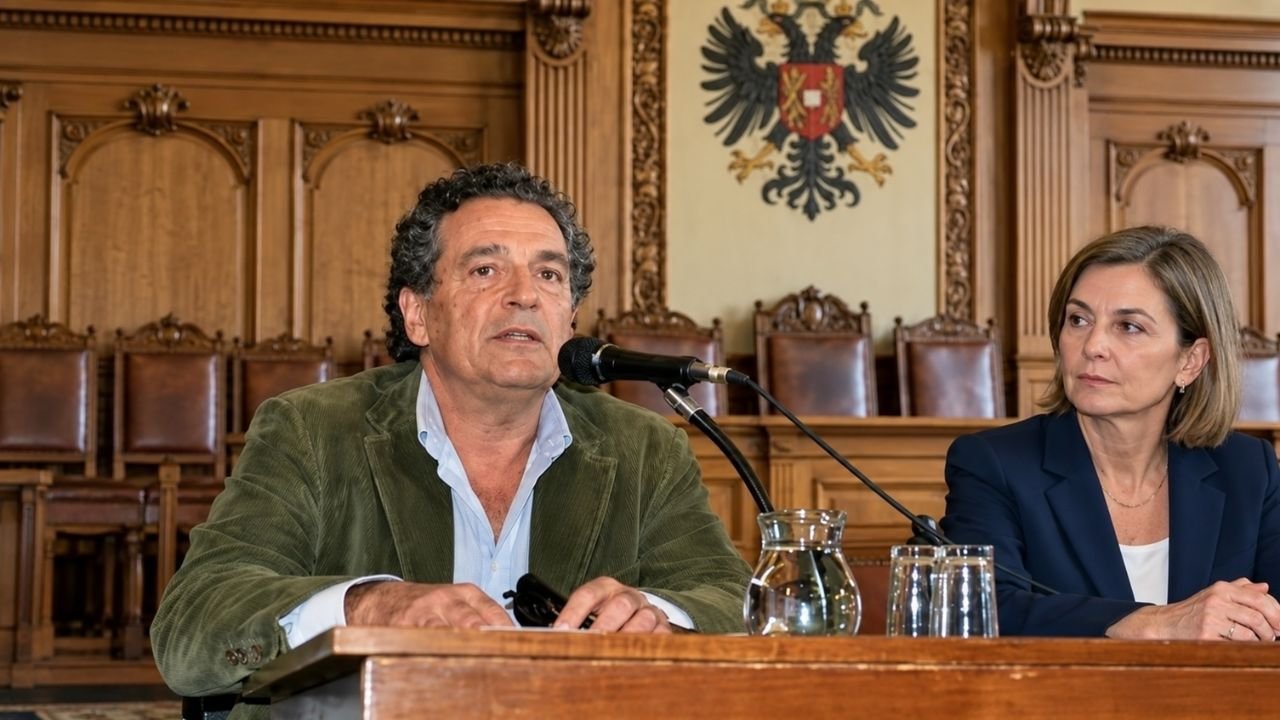
Carlos Scola Pliego, professionally known as Carlos Scola, is a Spanish filmmaker whose career includes work as an assistant director, director, writer, and producer. While his professional film credits give us a picture of his work in the Spanish and international film industries, much of his private life remains outside the public record. He is also known for his former marriage to British singer Sade Adu, a relationship that brought considerably more public attention to his name. Looking beyond that famous connection reveals a film career that began years before their marriage and continued afterward.
Carlos Scola is an interesting example of a film professional whose public profile is closely connected to a celebrity relationship, even though his own career developed independently. His credits include work on productions from the 1980s and later involvement in documentary filmmaking. He also worked on international productions and continued to appear in film-related credits years after his marriage to Sade ended. Because information about his personal life is limited, his documented professional work provides the clearest way to understand his story.
Carlos Scola Pliego and His Professional Identity
Carlos Scola Pliego is the name associated with the filmmaker who is professionally credited as Carlos Scola. Film databases, including IMDb, connect both names to the same person, making it useful to understand the two names when researching his career. Searching only for Carlos Scola can otherwise produce incomplete results because some records use the longer Carlos Scola Pliego name. His professional work spans several roles rather than being limited to directing.
His early credits show that he developed experience behind the camera before moving into more direct creative positions. During the early 1980s, he worked in assistant-director and production roles on several films. This type of work gave him experience with the practical side of filmmaking, including coordinating productions and working with directors and crews. Later credits show him moving into directing and writing, giving him a more prominent creative role in his projects.
Carlos Scola’s Early Film Career
Carlos Scola began building his film career during a period when Spanish cinema was producing both domestic projects and international productions. His early credits include work in assistant-director positions, which were important roles in the production process. Rather than appearing in front of the camera, he worked behind it, helping productions move from planning to filming. These early experiences appear to have formed the foundation for his later work as a filmmaker.
Some of his early film-related credits include:
- Ópera prima
- Dos y dos, cinco
- Black Commando
- Hundra
- G’olé!
- Never Say Never Again
- Eleni
- Christopher Columbus
These credits place Carlos Scola within a broader group of Spanish and international film productions. His involvement was not identical on every project, so it is better to describe him as a film professional who held different behind-the-scenes positions rather than assigning him the same role on every production. This distinction matters because online biographies sometimes simplify film credits. Looking at his career as a progression from assistant-director work toward directing and writing gives a more accurate picture of his professional development.
His Work as an Assistant Director
Assistant directing was an important part of Carlos Scola’s early career. The role generally involves helping coordinate the practical side of a production and working closely with the director and other departments. For someone developing a career behind the camera, this can provide direct experience with schedules, sets, crews, performers, and the demands of a working film production. Scola’s early credits show that he spent considerable time gaining this type of experience.
His work during this period also placed him around productions with international connections. That exposure is significant because it shows that his career was not limited to small personal projects. He worked within established productions and gained experience in different filmmaking environments. Those experiences later became relevant when he moved toward projects where he received directing and writing credits.
Carlos Scola and International Film Productions
One of the more recognizable titles associated with Carlos Scola is Never Say Never Again, the 1983 James Bond-related film starring Sean Connery. Scola is associated with the Spain unit in an assistant-director capacity, although the available film records should be consulted carefully when describing the exact credit. His connection to the production demonstrates his involvement with an international film project rather than simply a local Spanish production.
Carlos Scola was also associated with productions such as Eleni and Christopher Columbus. His work on Christopher Columbus is particularly useful when looking at his professional history because the production involved an international historical subject and a large-scale television project. These credits help establish the range of environments in which he worked during his early career. They also show why describing him simply as “Sade Adu’s former husband” leaves out a substantial part of his professional history.
Carlos Scola’s Move Toward Directing
After working in assistant-director and other production positions, Carlos Scola moved into projects where he had greater creative responsibility. His filmography includes directing and writing credits, marking a shift from supporting production roles to creating and shaping projects himself. This transition is one of the more important parts of his career because it shows that he was not known only for working behind the scenes on other people’s productions.
His later work is particularly connected with documentary filmmaking. Documentaries require a different approach from conventional narrative films because filmmakers often have to work with real locations, real people, and real events. Scola’s documentary-related credits therefore provide another perspective on his filmmaking interests. They also make his career more varied than the short descriptions found on many celebrity biography websites.
Ngira: Gorilas en la montaña
One of the projects associated with Carlos Scola is Ngira: Gorilas en la montaña, a 1988 short documentary. IMDb credits Scola as a director and writer on the project, making it an important title when discussing his career. The documentary connection is significant because it shows him taking creative responsibility rather than remaining exclusively in assistant-director positions. It also demonstrates his interest in subjects beyond conventional commercial cinema.
The project is particularly notable because of its connection with African wildlife and mountain gorillas. The subject required filming in environments far removed from a traditional studio setting. For a filmmaker, documentary work of this kind can involve demanding logistical conditions as well as the challenge of presenting real environments to an audience. Although relatively little information about the production is available today, the credit remains an important part of Carlos Scola’s documented filmography.
Donde termina el corazón
Another important project in Carlos Scola’s filmography is Donde termina el corazón, a 1989 production for which IMDb credits him as director and writer. The project adds another layer to his career because it came during the period when he was moving further into creative filmmaking. It also demonstrates that his directing work was not limited to a single documentary project.
The film has been described in available sources as a Spanish documentary connected with travel and exploration in Africa. Reports about the production mention locations and journeys through African regions, giving the project an adventurous documentary character. Because detailed production records are limited, it is better to stick to the documented credits rather than make broad claims about the film’s reception or impact. Even so, Donde termina el corazón remains a useful title when tracing Carlos Scola’s development as a director and writer.
Carlos Scola and Sade Adu
Carlos Scola became much more widely recognized outside the film industry because of his relationship with singer Sade Adu. Sade is known internationally for her work with the band Sade and for songs that became prominent in contemporary music. Her global fame meant that her personal relationships attracted considerable public interest. As a result, Carlos Scola’s name became associated with Sade even though he had his own professional background.
The couple married in 1989 and remained together until their divorce in 1995. IMDb’s biographical information records their marriage during this period, while Sade’s own official biography has also identified Carlos as a Spanish film director and discussed their relationship. The marriage lasted several years but ultimately ended in divorce. Beyond those basic facts, reliable public information about the private details of their relationship is limited.
The Marriage of Carlos Scola and Sade Adu
Carlos Scola and Sade Adu married during a period when Sade was already an internationally recognized recording artist. Their marriage attracted attention partly because of the difference between their professional worlds, with Sade known for music and Carlos working in film. The relationship also connected two creative professionals working in different areas of the entertainment industry. Their marriage ended in 1995 after several years together.
Online articles sometimes publish an exact wedding date or detailed descriptions of the ceremony, but these claims are not consistently supported by stronger sources. For that reason, a careful biography should focus on the confirmed year rather than presenting an uncertain date as fact. This approach also helps separate documented information from details that have simply been repeated across celebrity websites. The basic marriage timeline is much better established than the private circumstances surrounding it.
Why Did Carlos Scola and Sade Adu Divorce?
The exact reason for the divorce between Carlos Scola and Sade Adu has not been reliably documented in public sources. Many celebrity websites attempt to explain the breakup, but those explanations often rely on speculation rather than direct statements from the couple. There is no strong basis for presenting a specific reason as confirmed. A responsible biography should therefore avoid turning online theories into established facts.
The most reliable information is simply that their marriage began in 1989 and ended in divorce in 1995. Their separate careers continued after the relationship ended, but detailed information about their private interactions has remained limited. This is one area where the lack of information is itself relevant. Readers searching for the story deserve a clear distinction between what is known and what has never been publicly confirmed.
Carlos Scola’s Career After His Marriage
Carlos Scola’s professional record did not end with his marriage to Sade Adu. His filmography contains later film-related work, showing that he remained connected with the entertainment industry. One later title associated with him is Goal II: Living the Dream, a 2007 sports film. His involvement with that production is listed among his later film credits.
The later credit is worth mentioning because many online profiles concentrate almost entirely on his relationship with Sade. Looking at his filmography provides a different picture. His career included work in different capacities across several decades, even though he never became a household name in the same way as his former wife. His continued presence in film credits shows that filmmaking remained part of his professional story.
Carlos Scola’s Filmography
The available film records provide a useful overview of his professional development. His credits cover assistant directing, directing, writing, and other production-related work. This variety suggests that he had experience with different parts of filmmaking rather than following a single career path.
Some of the better-known titles connected with his career include:
- Ópera prima
- Dos y dos, cinco
- Black Commando
- Hundra
- G’olé!
- Never Say Never Again
- Eleni
- Christopher Columbus
- Ngira: Gorilas en la montaña
- Donde termina el corazón
- Goal II: Living the Dream
These titles should not all be described as films he directed. His role varied significantly from one production to another. When writing about Carlos Scola, identifying the specific role attached to each title makes the article more accurate and useful to readers.
Carlos Scola’s Professional Roles
One reason his biography can be confusing is that different websites describe him simply as a director. While he did receive directing credits, his career covered several positions. His early work was heavily connected to assistant directing and production, while later projects gave him writing and directing responsibilities.
His known professional roles include:
- Assistant director
- Second assistant director
- Director
- Writer
- Producer and other production-related positions
This range of roles is important when considering his career. A filmmaker does not necessarily spend an entire career directing feature films, and Scola’s record reflects the variety that exists behind the camera. His work shows a gradual movement between different aspects of production.
What Is Known About Carlos Scola’s Early Life?
There is considerably less reliable information about Carlos Scola’s childhood and early personal life than there is about his film career. Online biography websites sometimes publish claims about his birth date, age, parents, education, and family background, but these details are not consistently supported by strong sources. The lack of reliable documentation makes it difficult to build a detailed early-life profile without repeating speculation.
For this reason, it is better to focus on the information that can be connected to documented professional records. His film career provides a much clearer starting point than claims about his childhood. A biography can acknowledge that details about his early years remain private without filling the gaps with unsupported information. This makes the overall profile more trustworthy.
Carlos Scola Age and Birth Information
Searches for Carlos Scola age and date of birth produce inconsistent information online. Several biography pages publish specific ages or birth details, but there is no sufficiently strong public record that allows those figures to be treated as confirmed. Repeating an exact age can therefore create a false sense of certainty.
The safest approach is to say that his exact date of birth and current age have not been reliably established in the strongest publicly available sources. This is especially important because celebrity biography websites often copy information from one another. A detail appearing on multiple pages does not automatically make it independently verified.
Where Is Carlos Scola Today?
Interest in Carlos Scola today is largely connected to questions about what happened to him after his marriage to Sade Adu ended. Unlike his former wife, he has maintained a relatively private public profile. There is limited reliable information documenting his current professional activities or personal circumstances.
Some online biographies claim specific information about his present location or lifestyle, but those statements are not consistently supported by authoritative sources. It would therefore be misleading to state a precise current residence or occupation as fact without better evidence. What can be said with confidence is that his public profile is much quieter than it was during the period when his marriage to Sade attracted attention.
Carlos Scola Net Worth
Carlos Scola net worth is another frequently searched topic, but there is no reliable public financial record establishing an exact figure. Websites that publish specific net-worth estimates often provide no verifiable financial documentation for their numbers. Film credits alone cannot be used to calculate a person’s wealth because earnings, investments, expenses, contracts, and other financial details are not publicly available.
For that reason, an exact Carlos Scola net worth figure should be treated with caution. His career includes work in film and television, but there is not enough public financial information to calculate his personal wealth responsibly. Readers are better served by understanding his professional career than by relying on an unsupported dollar estimate.
The Difference Between Carlos Scola and Sade Adu’s Public Profiles
Carlos Scola and Sade Adu came from different areas of the entertainment industry, but both worked in creative professions. Sade became internationally famous through music, while Carlos developed his career primarily behind the camera. Their relationship brought the two professional worlds together for several years.
After their divorce, their public profiles developed in very different ways. Sade continued to maintain a substantial international presence through her music career, while Carlos remained relatively private. This difference helps explain why many online searches about him focus on his connection to Sade rather than on his own filmography. Looking at his work separately gives a fuller understanding of who Carlos Scola was as a filmmaker.
Why Carlos Scola’s Film Career Matters
Carlos Scola’s career is worth examining because it demonstrates how a behind-the-scenes film professional can have a substantial body of work without becoming widely recognized by the general public. His early assistant-director positions gave him practical experience, while his later documentary projects gave him opportunities to write and direct. His work also connected him to both Spanish productions and international film projects.
His association with Sade Adu naturally became the most recognizable part of his biography, but it should not replace his professional history. The available film records show a career that existed before, during, and after the marriage. Understanding that timeline provides a more balanced picture of his life. It also explains why searches for Carlos Scola can lead to both film-related and celebrity-related information.
Frequently Asked Questions About Carlos Scola
Who is Carlos Scola?
Carlos Scola is the professional name associated with Spanish filmmaker Carlos Scola Pliego. His documented career includes assistant-director, directing, writing, and other production roles. He is also known publicly because he was married to singer Sade Adu from 1989 until their divorce in 1995.
Was Carlos Scola married to Sade Adu?
Yes. Carlos Scola married Sade Adu in 1989. Their marriage lasted until 1995, when the couple divorced. Sade’s international fame brought considerable attention to Carlos and made their relationship one of the most commonly searched aspects of his biography.
What movies did Carlos Scola work on?
Carlos Scola’s film credits include work associated with titles such as Never Say Never Again, Christopher Columbus, Hundra, G’olé!, Eleni, Ngira: Gorilas en la montaña, Donde termina el corazón, and Goal II: Living the Dream. His exact role varied between productions, so not every title represents a directing credit.
What did Carlos Scola direct?
IMDb credits Carlos Scola as director and writer of Donde termina el corazón and as a director and writer of Ngira: Gorilas en la montaña. These projects are particularly useful when examining the stage of his career when he moved from assistant-director work into more direct creative responsibilities.
What is Carlos Scola’s net worth?
There is no reliably verified public figure for Carlos Scola’s net worth. Online estimates should be treated cautiously because they generally do not provide financial records supporting the amounts they publish. His film career is documented, but his personal finances are not.
Conclusion
Carlos Scola Pliego, professionally known as Carlos Scola, had a film career that extended beyond his association with Sade Adu. His early work in assistant-director and production roles connected him with Spanish and international productions, while later projects such as Ngira: Gorilas en la montaña and Donde termina el corazón gave him directing and writing credits. His marriage to Sade Adu from 1989 to 1995 remains the most widely known part of his personal history, but it represents only one chapter of his life.
Much of Carlos Scola’s private life remains undocumented, including reliable details about his birth, family background, current activities, and personal wealth. That lack of information makes it especially important to separate documented film credits from claims repeated by celebrity websites. What the available records do establish is the story of a Spanish filmmaker who worked in several areas of film production and later took on greater creative responsibilities. Looking at his career on its own terms provides a more complete and accurate picture of Carlos Scola than focusing only on his connection to Sade Adu.