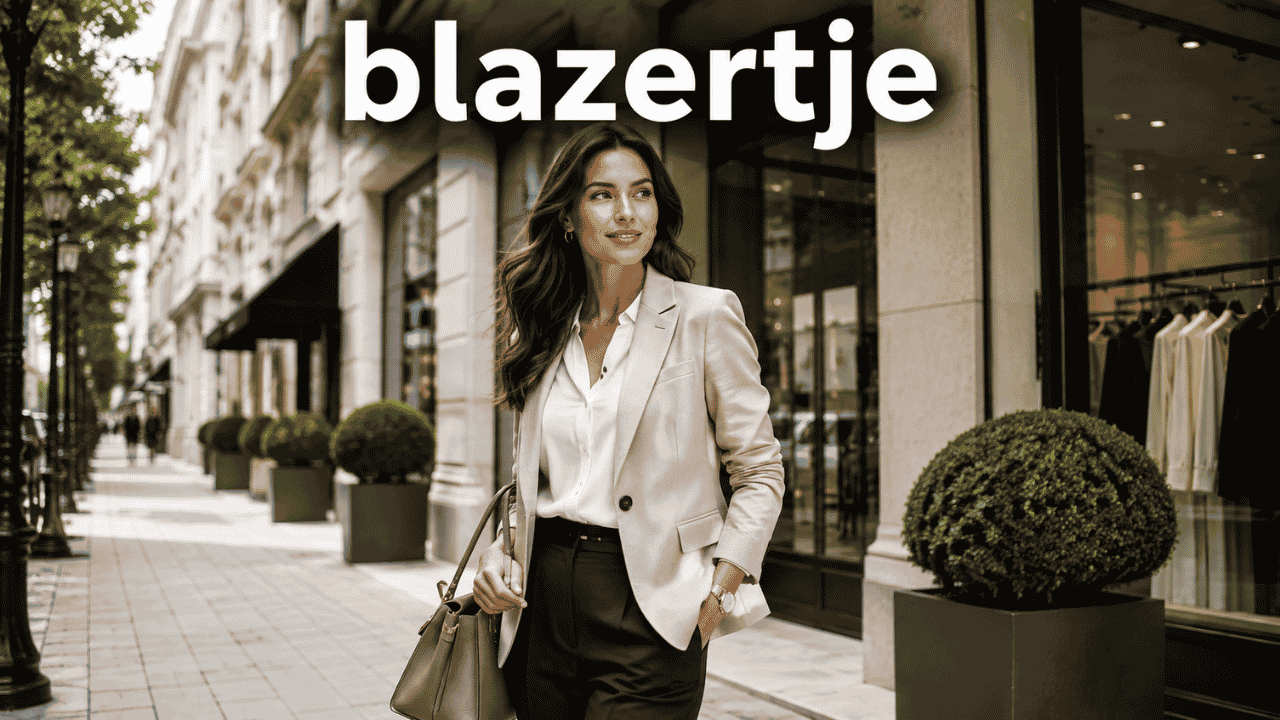
A well-chosen blazer has long been a staple in wardrobes around the world, offering a balance between casual comfort and polished style. In recent years, the term blazertje has gained attention among fashion enthusiasts, particularly in Dutch-speaking communities and online style discussions. Although the word may seem unfamiliar to many readers, it generally refers to a smaller, lighter, or more relaxed version of a traditional blazer. Whether you are updating your everyday wardrobe, preparing for work, or looking for a versatile layering piece, understanding what a blazertje is can help you make smarter fashion choices. This guide explains the meaning of the term, its characteristics, styling possibilities, and how it fits into today’s fashion landscape.
What Is a blazertje?
The word blazertje comes from the Dutch language, where the suffix “-tje” is commonly used to create a diminutive form of a noun. In simple terms, blazertje can be understood as “little blazer.” Rather than describing a completely different garment, it is often used to refer to a blazer with a lighter construction, softer materials, or a more relaxed appearance. Depending on the brand or retailer, the exact interpretation may vary, but the overall idea remains consistent.
Many people associate a blazertje with clothing that combines the elegance of a blazer and the comfort of casual outerwear. Instead of thick padding and rigid tailoring, these garments usually emphasize flexibility and ease of movement. As a result, they have become popular among people who want polished outfits without feeling overly formal. This versatility is one reason the term has become more visible in online fashion conversations.
Unlike formal suit jackets that are designed to be worn as part of a matching suit, a blazertje is typically intended to stand on its own. It pairs easily with jeans, trousers, skirts, dresses, and even shorts in warmer seasons. This flexibility makes it suitable for a wide variety of occasions, from office meetings to weekend outings.
The Origin of the Term blazertje
Understanding the background of the word helps explain why it has become popular in fashion discussions. The base word “blazer” has been part of fashion vocabulary for many decades and originally referred to a tailored jacket worn in sporting clubs and educational institutions. Over time, the blazer evolved into an essential garment for both men’s and women’s wardrobes.
The addition of the Dutch suffix “-tje” creates the word blazertje, giving it a smaller or softer meaning. In everyday Dutch, diminutives are frequently used not only to indicate size but also to express familiarity or affection. When applied to fashion, the word suggests a blazer that feels lighter, more approachable, or less formal than its traditional counterpart.
As online shopping expanded across international markets, many Dutch fashion retailers began using the term in product descriptions. Social media, fashion blogs, and online stores further increased its visibility, introducing the word to audiences outside Dutch-speaking countries. Today, people searching for blazertje are often looking for stylish jackets that combine classic tailoring with modern comfort.
Why a blazertje Has Become Popular
Fashion trends have gradually shifted toward clothing that offers both style and practicality. Modern lifestyles often require outfits that transition smoothly between work, social gatherings, and casual activities. A blazertje fits this need by providing a polished appearance without sacrificing comfort.
Several factors have contributed to its growing popularity:
- Comfortable construction for all-day wear.
- Easy pairing with casual and formal clothing.
- Lightweight materials suitable for different seasons.
- Timeless appearance that remains fashionable for years.
- Wide range of colors, fits, and fabrics.
Another reason people appreciate a blazertje is its adaptability. Instead of purchasing separate jackets for every occasion, many individuals prefer one versatile garment that works across multiple settings. This practical approach aligns with the growing interest in building wardrobes filled with timeless, wearable pieces.
Key Features That Define a blazertje
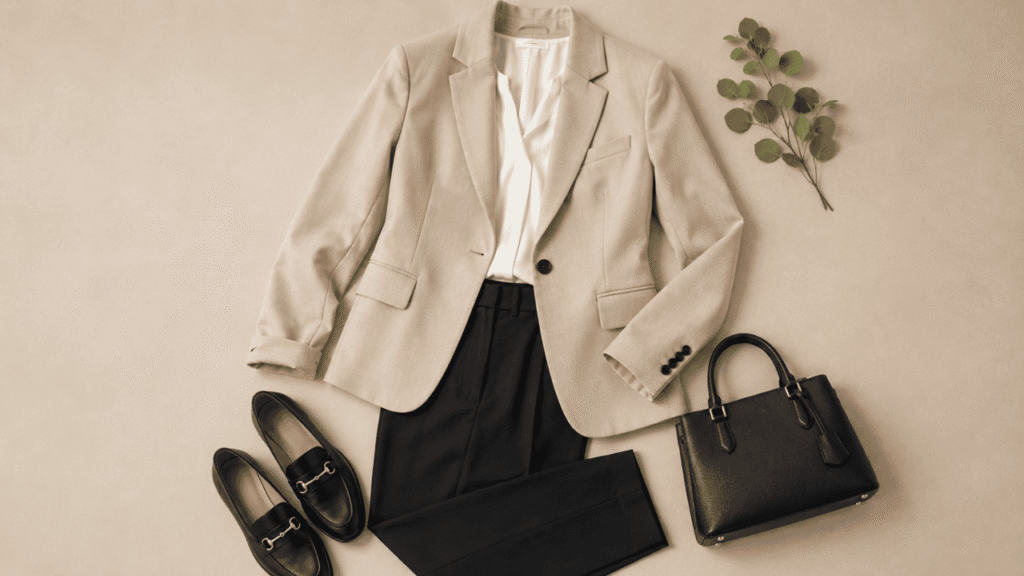
Although there is no universal industry specification for a blazertje, several common characteristics appear across many modern designs. These features distinguish it from heavily structured blazers and formal suit jackets while maintaining a refined look.
Lightweight Construction
One of the most noticeable qualities is reduced weight. Many blazertjes use lighter fabrics and minimal internal padding, making them comfortable to wear throughout the day. This lighter construction also makes layering easier during changing weather conditions.
Relaxed Tailoring
Traditional blazers often feature sharp shoulders and structured silhouettes. A blazertje usually softens these details, creating a more natural shape that complements everyday outfits. The relaxed fit helps achieve a polished appearance without looking overly formal.
Comfortable Fabrics
Soft materials play a significant role in defining a blazertje. Cotton blends, linen, jersey, lightweight wool, and modern synthetic fabrics provide flexibility while maintaining an attractive appearance. These materials also improve breathability, making the jacket suitable for extended wear.
Versatile Styling
A blazertje adapts well to different fashion preferences. It can be dressed up for professional settings or dressed down for casual occasions. This versatility allows one garment to serve multiple purposes throughout the year.
blazertje vs Traditional Blazer
Although the two garments share many similarities, understanding their differences helps shoppers choose the right option for their needs.
| Feature | blazertje | Traditional Blazer |
|---|---|---|
| Structure | Soft and relaxed | Firm and tailored |
| Weight | Lightweight | Medium to heavy |
| Shoulder Padding | Minimal or none | Usually structured |
| Comfort | High | Moderate |
| Formality | Smart casual | Business to formal |
| Everyday Wear | Excellent | Good |
| Seasonal Use | Often year-round | Depends on fabric |
These distinctions do not mean one garment is better than the other. Instead, each serves different purposes depending on personal style and the occasion. Someone working in a highly formal environment may prefer a classic blazer, while another person seeking everyday versatility may choose a blazertje.
Popular Styles of blazertje
Fashion designers continue to reinterpret the blazer in creative ways, giving shoppers many options to suit their preferences. While the core concept remains the same, different cuts and silhouettes allow people to express their personal style.
Oversized blazertje
Oversized designs have become increasingly popular because they create a relaxed yet fashionable appearance. These jackets feature extra room through the shoulders and body, making them comfortable while adding a contemporary touch. They pair particularly well with slim trousers or fitted jeans to create visual balance.
Tailored blazertje
For those who appreciate a cleaner silhouette, tailored versions remain an excellent choice. They follow the body’s natural shape more closely while maintaining the softer construction associated with a blazertje. This style works well in offices, business lunches, and professional events where a polished appearance is important.
Cropped blazertje
Shorter jackets have become a favorite for spring and summer wardrobes. A cropped blazertje pairs beautifully with high-waisted trousers, skirts, and dresses, creating balanced proportions without overwhelming the overall outfit. It also provides an easy way to add structure to lighter seasonal clothing.
Double-Breasted blazertje
Double-breasted versions offer a slightly more sophisticated appearance while retaining everyday comfort. The overlapping front panels create additional visual interest and work particularly well with monochromatic outfits. Many people choose this design when they want a refined look without wearing a formal suit jacket.
Single-Breasted blazertje
Single-breasted styles remain the most versatile option for everyday wear. Their clean lines and simple button arrangement make them easy to combine with almost any wardrobe. Whether paired with denim, chinos, or dresses, they provide effortless styling possibilities.
Choosing the Right Fabric
Fabric selection has a significant impact on comfort, durability, and appearance. Understanding the strengths of different materials makes it easier to find a blazertje that matches your lifestyle.
Some of the most common fabric choices include:
- Cotton for breathable everyday wear.
- Linen for warm-weather comfort.
- Wool blends for cooler seasons.
- Jersey knit for flexibility and softness.
- Polyester blends for durability and wrinkle resistance.
Each fabric offers unique benefits depending on climate, intended use, and personal preference. Rather than focusing solely on appearance, shoppers should also consider maintenance requirements and long-term durability before making a purchase.
How to Choose the Perfect blazertje
Finding the right blazertje is about more than selecting a color that catches your eye. The ideal jacket should complement your body shape, fit comfortably, and suit the occasions where you plan to wear it most often. A well-fitted piece can become one of the most versatile items in your wardrobe, while an ill-fitting one may rarely leave the closet. Taking a few extra minutes to evaluate the details can make a significant difference in both appearance and comfort.
Before making a purchase, pay attention to these important factors:
- Shoulder seams should align naturally with your shoulders.
- Sleeves should end near the wrist without covering your hands.
- The jacket should button comfortably without pulling across the chest.
- The length should complement your height and body proportions.
- Fabric quality should feel durable while remaining comfortable.
A blazertje should allow natural movement without appearing too loose or too tight. If you frequently layer sweaters underneath during cooler months, consider trying a slightly roomier fit. On the other hand, if you plan to wear it mainly over lightweight tops, a more tailored silhouette can create a cleaner appearance.
Finding the Right Fit for Your Body Type
Every body shape benefits from slightly different cuts and proportions. Understanding how different styles interact with your frame helps create balanced and flattering outfits. Rather than following every trend, focus on selecting a blazertje that enhances your natural proportions.
Petite Frames
People with a smaller frame often benefit from cropped or waist-length styles that avoid overwhelming the body. Slim lapels and single-button designs can create the illusion of additional height. Choosing lighter fabrics also helps maintain balanced proportions.
Tall Builds
Taller individuals usually have greater flexibility when selecting jacket lengths and silhouettes. Longer blazertjes often complement their height while creating elegant lines. Oversized designs can also work particularly well without appearing excessively large.
Curvy Figures
A blazertje with gentle shaping around the waist highlights natural curves while maintaining comfort. Stretch fabrics and single-breasted designs often create a flattering silhouette. Avoiding excessively boxy cuts helps preserve balanced proportions.
Athletic Builds
People with broader shoulders or athletic frames often look best in jackets with moderate structure and clean tailoring. Simple designs allow the body’s natural shape to remain the focus while providing a polished finish. Neutral colors also increase styling versatility.
Choosing the Best Colors
Color influences how versatile a blazertje becomes within your wardrobe. Neutral shades remain popular because they coordinate easily with a wide variety of outfits. However, seasonal colors and statement pieces can also add personality to everyday fashion.
Some of the most practical color choices include:
- Black for timeless versatility.
- Navy for business and smart-casual outfits.
- Beige for spring and summer styling.
- Grey for balanced everyday wear.
- White for fresh seasonal looks.
- Olive for casual outfits.
- Camel for warm, elegant styling.
- Burgundy for subtle color without becoming overpowering.
When building your first collection, starting with a neutral color often provides the greatest flexibility. Once you have a dependable everyday option, adding seasonal shades becomes much easier.
Styling a blazertje for Everyday Wear
One of the greatest strengths of a blazertje is its ability to adapt to different situations. Instead of being reserved only for business settings, it can become part of daily outfits that feel comfortable and stylish. Small changes in footwear, accessories, and layering pieces completely transform its overall appearance.
Simple outfit combinations include:
- A white T-shirt, blue jeans, and white sneakers.
- A lightweight knit sweater with tailored trousers.
- A midi dress paired with ankle boots.
- A blouse with slim-fit trousers and loafers.
- A polo shirt with chinos for relaxed business casual.
The versatility of a blazertje allows it to bridge the gap between casual and polished dressing. Even simple clothing combinations appear more refined when finished with a well-fitted jacket. This makes it one of the easiest garments to incorporate into everyday fashion.
Wearing a blazertje to the Office
Professional environments increasingly embrace business casual dress codes, making a blazertje an excellent choice for many workplaces. It delivers a polished appearance while remaining more comfortable than heavily structured jackets. This balance allows professionals to look confident throughout long working days.
For office settings, neutral colors usually provide the greatest flexibility. Pairing a navy or grey blazertje with tailored trousers creates a clean, professional appearance without looking overly formal. Adding minimal accessories and classic footwear completes the outfit while maintaining a refined look.
Layering also plays an important role in office styling. Lightweight shirts, fine-knit sweaters, or simple blouses fit comfortably beneath a blazertje without creating unnecessary bulk. This combination remains practical across changing indoor temperatures and seasonal weather.
Casual Weekend Outfit Ideas
A blazertje is equally effective outside professional settings. Weekend fashion often focuses on comfort, but adding a lightweight jacket instantly elevates an otherwise simple outfit. This makes it ideal for shopping trips, brunch, casual dinners, or meeting friends.
Popular casual combinations include:
- Denim jeans with a plain crew-neck T-shirt.
- Sneakers and straight-leg trousers.
- Relaxed linen pants with sandals.
- Knit tops paired with ankle boots.
- Denim skirts with simple blouses.
Choosing softer fabrics such as cotton or linen reinforces the relaxed nature of these outfits. Rolling the sleeves slightly can also create a more casual appearance while adding visual interest.
Seasonal Styling Throughout the Year
A blazertje remains useful across multiple seasons because of its adaptable construction. By changing the fabric weight and layering pieces, the same jacket can work in warm and cool weather alike. This versatility increases its value within a modern wardrobe.
Spring
Spring outfits often combine lightweight blazertjes with floral dresses, cotton shirts, and light-colored trousers. Breathable fabrics provide comfort during changing temperatures while maintaining a polished appearance.
Summer
Linen and cotton versions remain popular throughout summer because they encourage airflow and reduce heat retention. Light colors such as beige, cream, and white complement seasonal wardrobes while reflecting sunlight more effectively than darker shades.
Autumn
As temperatures begin to fall, layering becomes increasingly important. Pairing a blazertje with lightweight knitwear creates warmth without excessive bulk. Earth tones such as olive, camel, and burgundy also complement autumn color palettes.
Winter
During colder months, a blazertje can function as an intermediate layer beneath heavier coats. Wool-blend fabrics provide additional insulation while preserving a refined silhouette. Scarves and leather boots complete winter outfits without compromising style.
Accessories That Complement a blazertje
Accessories enhance the overall appearance without overpowering the jacket itself. Since a blazertje already provides structure and sophistication, keeping accessories balanced often produces the best results. Simple additions can transform the same outfit from casual daytime wear to an evening-ready ensemble.
Popular accessory choices include:
- Leather belts.
- Minimalist watches.
- Structured handbags.
- Crossbody bags.
- Delicate necklaces.
- Stud earrings.
- Loafers.
- White sneakers.
- Ankle boots.
Rather than adding numerous statement pieces, selecting one or two quality accessories usually creates a cleaner and more polished appearance. This approach keeps the focus on the overall outfit instead of individual items.
Common Mistakes to Avoid
Even a high-quality blazertje can lose its impact if it is styled or fitted incorrectly. Many common mistakes are easy to avoid with a little attention to detail. Learning these basics helps maximize both comfort and appearance.
Some mistakes include:
- Choosing shoulders that are too wide.
- Wearing sleeves that extend beyond the wrists.
- Selecting fabrics unsuitable for the season.
- Wearing jackets that are excessively oversized without balancing the outfit.
- Ignoring fabric care instructions.
- Pairing formal jackets with mismatched accessories.
A properly fitted blazertje should enhance your outfit rather than dominate it. Paying attention to proportion, fabric, and styling creates a balanced appearance that feels natural and effortless.
Conclusion
The blazertje represents a modern interpretation of one of fashion’s most dependable garments. Inspired by the classic blazer but often designed with lighter construction, softer fabrics, and a more relaxed fit, it provides an excellent balance between comfort and sophistication. Whether worn with jeans for a casual outing, paired with tailored trousers for the office, or layered over a dress for an evening event, it adapts effortlessly to a wide range of occasions. Choosing the right fit, fabric, and color ensures that a blazertje becomes a versatile addition to your wardrobe for years to come. By understanding its features, styling possibilities, and care requirements, you can confidently incorporate this timeless piece into your everyday fashion while enjoying both practicality and refined style.
Frequently Asked Questions
1. What does blazertje mean?
Blazertje is a Dutch diminutive of the word “blazer.” It is commonly used to describe a lighter, more relaxed, or smaller-style blazer that offers the polished appearance of a traditional blazer with added comfort and versatility.
2. Is a blazertje different from a traditional blazer?
Yes. A blazertje is generally associated with softer tailoring, lighter fabrics, and a more casual look. Traditional blazers usually feature more structure, heavier construction, and are often intended for business or formal settings.
3. Can a blazertje be worn all year round?
Yes. Choosing the right fabric allows a blazertje to be worn throughout the year. Linen and cotton versions are ideal for warmer months, while wool blends provide additional warmth during autumn and winter.
4. What should I wear with a blazertje?
A blazertje pairs well with jeans, tailored trousers, skirts, dresses, chinos, and even shorts in warmer weather. It also works with T-shirts, blouses, knitwear, and button-up shirts, making it one of the most versatile wardrobe pieces.
5. How do I choose the right blazertje?
Look for a jacket that fits comfortably across the shoulders, allows natural movement, and complements your body shape. Consider the fabric, intended use, color, and overall quality to ensure it matches your personal style and everyday wardrobe.