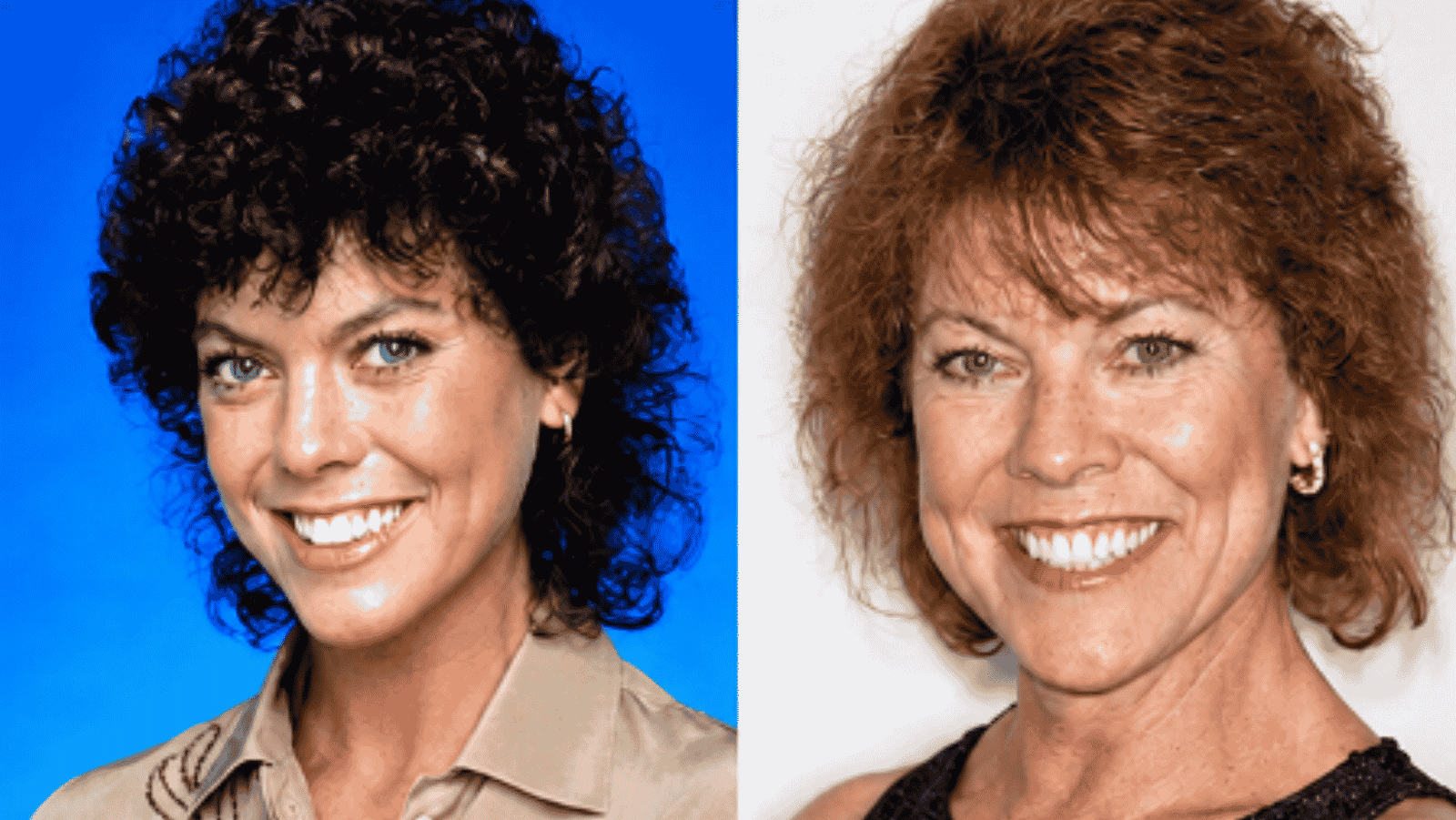
Erin Moran was an American actress best remembered for playing Joanie Cunningham on the popular television sitcom Happy Days. She began working in entertainment as a young child and gradually became a familiar face to television audiences during the 1970s and 1980s. Although her role on Happy Days brought her widespread recognition, her life included many experiences beyond the successful sitcom, including other acting projects, marriage, financial difficulties and a long struggle to find steady work. Years after her most famous performances, people continued searching for information about her personal life and career, particularly following her death in 2017. Her story remains closely connected to the history of American television and the challenges faced by actors whose early fame does not always lead to lasting success.
Erin Moran’s Early Life and Family Background
Erin Marie Moran was born on October 18, 1960, in Burbank, California, United States. She grew up in a large family with five siblings and was the second-youngest child of Edward and Sharon Moran. Her father worked as a finance manager, while her mother encouraged her interest in performing and helped her take her first steps toward an acting career. Unlike children who discover acting during their teenage years, Erin entered the entertainment business when she was still very young. Her family’s support played an important part in giving her opportunities to appear in commercials and television productions.
Her interest in acting became clear when she was around five years old. Her mother helped her connect with a talent agent, which opened the door to commercial work and early television opportunities. One of her first appearances was in a commercial for First Federal Bank. This experience introduced her to professional filming and helped her become comfortable in front of cameras. Working at such a young age also meant that much of her childhood was connected to auditions, production schedules and the demands of the entertainment industry.
Erin’s early family life also included a connection to another familiar name in the film industry. Her brother Tony Moran became known for playing Michael Myers without his mask in the original Halloween film released in 1978. Although the siblings followed different paths in entertainment, both became associated with well-known productions. Erin’s family background was not limited to acting, as her father had a regular professional career outside Hollywood. Growing up in a household with several children gave her a family environment that was different from the isolated image often associated with young performers.
How Erin Moran Started Her Acting Career
Erin Moran began building her acting experience during the late 1960s, appearing in television programs and films before she became widely recognized. One of her early television roles was Jenny Jones in the series Daktari. She appeared during the show’s final season in 1968, giving her an opportunity to work in a professional television environment. Around the same period, she appeared in the film Who’s Minding the Mint? (1967), although her part was uncredited. These early projects helped establish her as a young actress who could take on different roles.
In 1968, Moran also appeared in How Sweet It Is!, a comedy film featuring Debbie Reynolds. Although she was still a child, the experience allowed her to work alongside established performers. Her early filmography included appearances in productions that introduced her to different styles of acting, from family entertainment to comedy. She continued accepting television opportunities while developing her skills in front of the camera. These early experiences prepared her for the role that would eventually define her public image.
Before joining Happy Days, Moran had already gained several years of experience as a child actress. This background helped her understand the working environment of television productions and the expectations placed on young performers. She was not an entirely unknown newcomer when the opportunity to play Joanie Cunningham arrived. Her previous appearances had given casting professionals a reason to consider her for a regular television role. The experience she gained during childhood became an important part of her professional development.
Erin Moran and Her Famous Role in Happy Days
Erin Moran became widely recognized after joining Happy Days as Joanie Cunningham. The sitcom premiered in 1974 and focused on the Cunningham family and their friends during the 1950s. Moran played Joanie, the younger sister of Richie Cunningham, portrayed by Ron Howard. Her character was a familiar part of the family storyline and appeared alongside several memorable personalities, including Arthur Fonzarelli, played by Henry Winkler. The series became a major television success and helped introduce Moran to audiences across the United States.
An interesting detail about her casting involves actor Anson Williams, who played Potsie Weber on the show. Williams had previously worked with Moran on a Hallmark Hall of Fame production around 1973. When the production needed an actress for the second pilot of Happy Days, Williams recommended her for the role of Joanie. The recommendation helped bring Moran into a series that would become the most important part of her acting career. Her casting also demonstrated how professional connections between actors could lead to major opportunities in television.
Joanie Cunningham developed as the series continued. At first, she was presented mainly as the younger member of the Cunningham household, but her character received more attention as she grew older. Viewers watched her experience teenage relationships, family disagreements and the usual challenges associated with growing up. Moran’s performance allowed Joanie to become more than a supporting character in Richie’s story. She remained connected to the central family while developing her own identity within the sitcom.
Happy Days ran for eleven seasons, ending in 1984. Moran appeared in 234 episodes, making the role a major part of her professional identity. The show also helped her become associated with a particular period of American television when family sitcoms attracted large audiences. Her performance earned recognition from the Young Artist Awards. Even after the series ended, many viewers continued identifying her with Joanie Cunningham, a connection that remained throughout her later life.
Joanie Loves Chachi and Her Work With Scott Baio
The popularity of Joanie Cunningham eventually led to a spin-off series called Joanie Loves Chachi. The program premiered in 1982 and followed the romantic relationship between Joanie and Chachi Arcola, played by Scott Baio. Instead of focusing mainly on the Cunningham household, the new series gave the two characters an opportunity to build a life together. It also allowed Moran to take a more central position in a television production. For an actress who had spent years as part of a successful ensemble, the spin-off represented an important career opportunity.
However, the series did not achieve the same long-term success as Happy Days. It ran for two seasons before being cancelled in 1983. Moran later spoke about her initial reluctance to leave the original sitcom for the spin-off. She also discussed the difficulty of competing for viewers against established television programs such as Magnum, P.I. The cancellation meant that Joanie and Chachi eventually returned to the original series rather than continuing their story independently.
Despite its short run, Joanie Loves Chachi remains an important part of Erin Moran’s career. It showed how popular characters could be used to create separate television productions. The show also strengthened the association between Moran and Scott Baio in the minds of audiences. Their characters had already attracted attention on Happy Days, and the spin-off gave their relationship a larger storyline. Although the project did not last long, it remains closely connected to her best-known television work.
Erin Moran’s Television and Film Career Beyond Happy Days
After becoming famous through Happy Days, Moran continued accepting acting opportunities in television and film. She appeared in different productions, although she did not find another role with the same level of popularity as Joanie Cunningham. Her work included guest appearances in established television programs and parts in films. Some of these roles allowed her to move away from the family sitcom image that audiences associated with her. However, the entertainment industry became increasingly difficult for her as time passed.
One of her film appearances was in Galaxy of Terror (1981), a science-fiction horror production in which she played Alluma. The film was different from the lighthearted television environment of Happy Days and gave her an opportunity to work in another genre. She also appeared in Murder, She Wrote and Diagnosis: Murder, both popular television programs that featured guest performers. Her later work demonstrated that she continued trying to remain active in the industry rather than depending entirely on her earlier success.
Her career also included appearances in projects that referred to her previous fame. In Dickie Roberts: Former Child Star (2003), she appeared as herself. The film focused on a former child actor attempting to rebuild his life and career, making her appearance particularly relevant to the subject. In 2008, she joined Celebrity Fit Club, a reality television program that followed celebrities working toward fitness goals. These appearances introduced her to audiences who remembered her from Happy Days while showing a different side of her public life.
Some of her other television and film appearances included:
- The Waltons
- The Love Boat
- Gunsmoke
- Family Affair
- Galaxy of Terror
- Murder, She Wrote
- Diagnosis: Murder
- Dickie Roberts: Former Child Star
- Celebrity Fit Club
- Not Another B Movie
Although her later filmography contained several credits, steady acting employment became harder to secure. Her name remained familiar because of Happy Days, but that recognition did not guarantee regular work. The difference between her early popularity and later career opportunities became an important part of her personal story.
Erin Moran’s Personal Life and Relationships
Away from television, Erin Moran experienced changes in her personal life, including two marriages. Her first marriage was to Rocky Ferguson in 1987. The relationship eventually ended in divorce in 1993. Although the marriage received less public attention than her acting career, it was an important period in her adult life. Moran later married Steven Fleischmann, beginning a relationship that lasted until her death.
Erin Moran and Steven Fleischmann married in 1993. Unlike Moran, who had spent much of her life working in entertainment, Steven maintained a career outside the acting industry. Reports identified him as a Walmart employee. Their marriage lasted for more than two decades, and he remained an important source of support during the difficult final period of her life. He later shared personal details about her illness and final days, providing information that helped the public understand what happened before her death.
The couple did not have any publicly documented children. Moran generally kept many aspects of her private life away from the public, especially during the later years when she was no longer regularly appearing on television. Her relationship with Steven became a significant part of the accounts published after her death. His personal letter also revealed details about how they first met and the experiences they shared during their marriage.
Steven later explained that he and Erin first met on April 22, 1992. That date became particularly meaningful because she died exactly 25 years later, on April 22, 2017. His account offered a personal perspective on their relationship rather than relying only on information from public appearances. It also showed how deeply her final illness affected the couple’s daily life.
Erin Moran’s Financial Difficulties and Life After Television Fame
The years following Happy Days were not easy for Moran. Although she had been part of a successful television series, finding regular acting work became increasingly difficult. The entertainment industry can be challenging for performers who become strongly associated with one character, especially when audiences and casting professionals continue viewing them through that role. Moran experienced a period when opportunities were limited, and her financial situation reportedly became unstable. Her later circumstances were very different from the public image created during the height of Happy Days.
One of the most discussed events involved the foreclosure of her California home in 2010. Reports later described how she and her husband experienced housing difficulties and spent time living in a trailer in Indiana. PEOPLE also published accounts from local residents who said they had interacted with Moran during this period. Some of those individuals recalled conversations about her financial situation and struggles after her acting career slowed down. These accounts offer insight into her circumstances, although personal recollections should be treated as reported observations rather than complete financial records.
In 2012, Moran and her husband reportedly stayed at a Super 8 motel in Corydon, Indiana. This detail attracted attention because it contrasted sharply with the success she had experienced as a television actress. Her financial problems also became part of the wider discussion about former child actors and the difficulties of maintaining a career after early fame. However, it would be inaccurate to assume that every challenge she faced was directly caused by her earlier acting career. Her later life involved personal, professional and financial circumstances that were more complicated than a single explanation.
The Happy Days Cast Lawsuit Against CBS
Another important event in Moran’s later career was a legal dispute involving several members of the Happy Days cast. In April 2011, she joined Don Most, Anson Williams and Marion Ross, along with the estate of Tom Bosley, in a lawsuit against CBS. The group claimed that the television network had failed to pay them certain merchandising earnings promised under their contracts. The dispute involved products connected to the sitcom, including trading cards, clothing, dolls and other merchandise. The actors sought approximately $10 million in damages.
The disagreement highlighted the financial arrangements that can exist behind successful television productions. The cast members believed they were entitled to payments from merchandise using their names, images or characters. CBS disputed the claims, leading to a legal process that attracted attention because the original show had remained popular for decades. In July 2012, the dispute was settled. Each of the participating actors received $65,000, and CBS agreed to continue honoring the relevant contract terms.
For Moran, the lawsuit was one of the few major public developments connected to her former television career during this period. It also showed that the relationship between actors and television networks can continue long after a series has ended. Happy Days had generated commercial value beyond its original broadcasts, and the cast members wanted their contractual rights to be recognized. The settlement brought the dispute to an end without a lengthy public trial.
Erin Moran’s Autobiography Plans
An interesting but less frequently discussed detail about Erin Moran was her plan to write an autobiography. In 2009, reports indicated that she was working on a book titled Happy Days, Depressing Nights. The proposed title reflected the contrast between her public success on television and the personal difficulties she experienced later. An autobiography could have offered her an opportunity to explain her career, childhood experiences and life outside Hollywood in her own words. However, the book was not published before her death.
The unpublished project remains an interesting part of her story because much of the information about her final years came from interviews, news reports and accounts shared by other people. A personal autobiography might have provided a different perspective on the pressures of childhood acting and the challenges of remaining employed in entertainment. It could also have explained how she viewed her time on Happy Days after many years had passed. Since the book never appeared, readers cannot know exactly what she planned to reveal or how she intended to describe those experiences.
Erin Moran’s Cause of Death and Cancer Diagnosis
Erin Moran died on April 22, 2017, at the age of 56. Following her death, authorities investigated the circumstances and arranged for an autopsy to establish the medical cause. The final findings identified complications of stage IV squamous cell carcinoma as the cause of death. The cancer affected her throat and had become advanced by the time she died. Her death brought renewed attention to her life and led many former viewers to search for information about her final illness.
Her husband, Steven Fleischmann, later shared a detailed account of the diagnosis. According to his letter, he first noticed that something was wrong around Thanksgiving 2016, when Erin began finding blood on her pillowcase. At first, they believed she might have bitten her tongue while sleeping. However, the bleeding continued, and Steven eventually discovered that the source appeared to be her left tonsil. Medical examinations and a biopsy later confirmed squamous cell carcinoma.
After receiving the diagnosis, Moran began treatment. Steven explained that she underwent radiation five days a week and chemotherapy on Thursdays. Despite the medical care, her condition continued to worsen. By the middle of February 2017, she had reportedly lost the ability to speak normally and struggled to eat and drink. A feeding tube became necessary, and her husband described how he helped manage her nutrition several times each day.
Her illness progressed rapidly during the months before her death. The medical findings also indicated that the cancer had spread to other parts of her body. Reports following the autopsy described complications involving her spleen, lungs and brain. Her final condition was serious, and the available accounts make clear that she had been dealing with an advanced disease. These details help explain why her health deteriorated so quickly despite treatment.
How Did Erin Moran Die? Details of Her Final Days
The question of how did Erin Moran die became one of the most frequently searched topics after news of her death spread. Her husband later described the final day in a personal account that provided details not available in the initial announcements. According to Steven, Erin had been experiencing breathing difficulties on April 21, 2017. The following day, her condition appeared worse, and he became increasingly concerned about her health. He remained close to her during those final hours.
Steven explained that he briefly left home to purchase tissues before returning to find Erin watching television in bed. He then lay beside her and held her hand. At some point, he fell asleep and later woke up to realize that she had died. His account provided a deeply personal description of the moment and showed the emotional impact of losing his wife after more than two decades together. It also helped clarify that her death followed a serious illness rather than an unexplained incident.
The final medical investigation established that cancer complications were responsible for her death. Reports also stated that illegal narcotics were not involved. This distinction was important because public discussion after her death included speculation about her health and personal struggles. The official findings provided a medical explanation and helped separate confirmed information from rumors. Her husband’s account and the autopsy findings remain the most useful sources for understanding her final days.
Erin Moran’s Net Worth and Financial Situation
Erin Moran’s net worth has remained a subject of interest among people researching her biography. Some celebrity finance websites have published estimates of approximately $50,000 at the time of her death. However, this figure should not be treated as an officially confirmed amount because no complete public financial statement established her exact wealth. Estimates published online can differ depending on the information and assumptions used. For that reason, it is more accurate to describe her finances through documented events rather than presenting a single figure as certain.
Moran had earned money through television and film work, particularly during the successful years of Happy Days. However, acting income does not always remain consistent after a performer leaves a popular series. Her later difficulty finding regular roles, along with reports of housing problems and the foreclosure of her California property, showed that her financial circumstances had become challenging. The CBS merchandising settlement also brought a payment of $65,000 to each participating actor in 2012. These events provide a clearer picture of her financial history than an unverified net worth estimate.
Her experience also highlights the uncertainty of working in entertainment. An actor may become famous through one successful production but still face difficulty finding suitable work after it ends. Moran’s financial story should therefore be understood in connection with her career history and later circumstances. Her earlier television success did not guarantee lifelong financial security.
Erin Moran’s Legacy and Lasting Recognition
Erin Moran remains remembered primarily for her portrayal of Joanie Cunningham on Happy Days. The character became part of a popular television family that audiences followed throughout the 1970s and early 1980s. Her performance helped bring warmth and humor to the Cunningham household, while her later storyline gave the character more independence. The show’s continued presence in television reruns introduced new generations to the actress. Even people who did not watch the original broadcasts often recognize her through the sitcom’s lasting popularity.
Her contribution to television was not limited to one program. She began acting as a child, worked alongside established performers and appeared in several different productions during her career. Her role in Joanie Loves Chachi also showed how television networks used popular characters to create spin-off programs. Although her later career did not reach the same level of success, she remained part of the entertainment industry for many years. Her professional journey reflects both the opportunities and difficulties experienced by actors who begin working at a young age.
The story of Erin Moran also raises questions about the lives of former child performers. Public attention often focuses on their most successful roles, while the difficulties they face after their popularity declines receive less attention. Her later financial struggles and health problems became widely known only after years away from regular television work. Her life was more complicated than the cheerful image associated with Joanie Cunningham. Remembering her career means recognizing both the entertainment she gave audiences and the personal challenges she experienced outside the screen.
Conclusion
Erin Moran built a lasting place in American television through her role as Joanie Cunningham on Happy Days. Her career began during childhood, developed through several television and film appearances, and reached its highest public recognition during the success of the original sitcom. Her work on Joanie Loves Chachi and her later guest appearances showed that she continued pursuing acting even after her most famous series ended. However, her later years included financial difficulties, limited career opportunities and a serious cancer diagnosis. She died on April 22, 2017, from complications of advanced squamous cell carcinoma, leaving behind a television legacy that continues to interest audiences. Her life story is a reminder that the experiences of performers can extend far beyond the characters viewers remember.
Frequently Asked Questions About Erin Moran
1. Who was Erin Moran?
Erin Moran was an American actress best known for playing Joanie Cunningham on the television sitcom Happy Days. She began acting as a child and appeared in several television programs and films during her career. Her performance on the popular sitcom made her familiar to audiences throughout the United States.
2. What was Erin Moran’s cause of death?
Erin Moran died from complications of stage IV squamous cell carcinoma, a type of cancer that affected her throat. The medical findings following her death confirmed that the cancer was responsible for her condition. She died on April 22, 2017, at the age of 56.
3. How did Erin Moran die?
Erin Moran died at her home in New Salisbury, Indiana, after battling advanced cancer. Her husband, Steven Fleischmann, later explained that she had received radiation and chemotherapy but that her condition continued to deteriorate. He also shared details about her final day and the moment he discovered that she had passed away.
4. Was Erin Moran married, and did she have children?
Erin Moran was married twice. Her first husband was Rocky Ferguson, whom she married in 1987 before their divorce in 1993. She later married Steven Fleischmann in 1993, and they remained together until her death. The couple had no publicly documented children.
5. What was Erin Moran’s estimated net worth?
Some online celebrity finance sources have estimated Erin Moran’s net worth at approximately $50,000 at the time of her death. However, this amount has not been established through an official public financial record. Her later career difficulties and reported financial problems provide important context for understanding her financial situation.