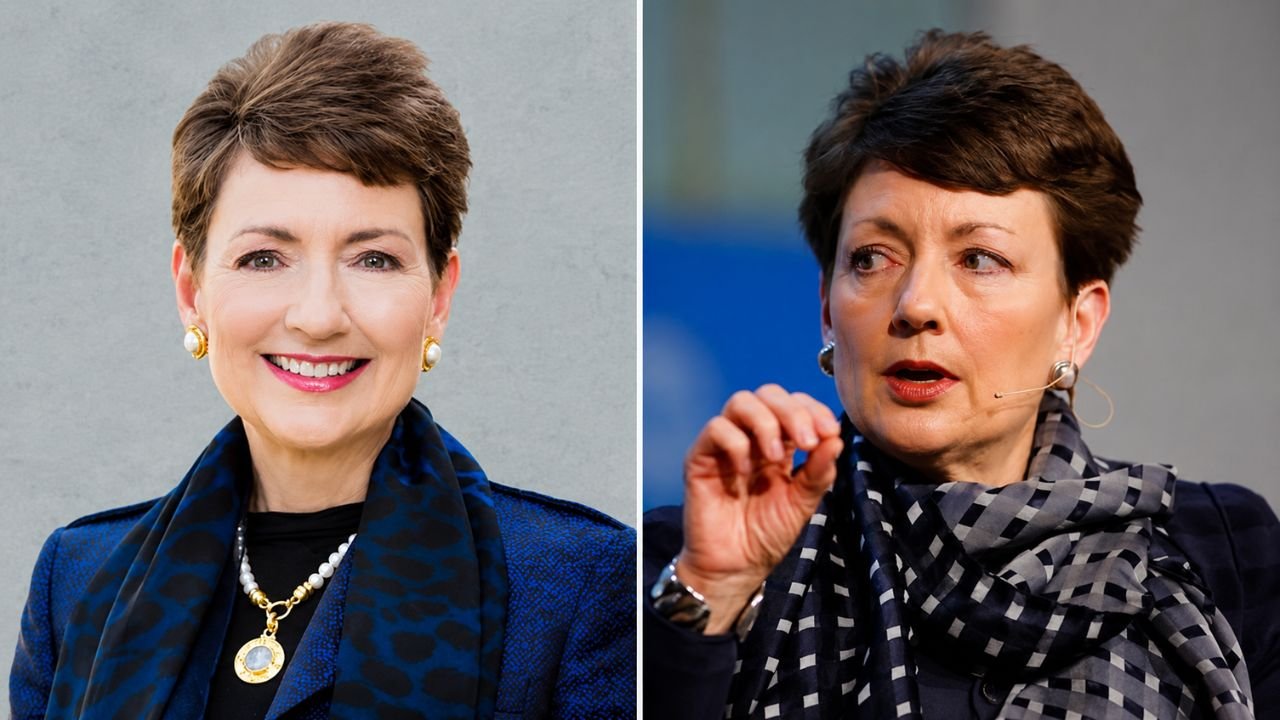
Lynn Good is an American business executive best known for her long career at Duke Energy, where she served as president and chief executive officer from 2013 until her retirement in 2025. Her path to the top of one of the largest electric power companies in the United States was shaped by accounting, finance, energy operations and corporate leadership. Before becoming CEO, Lynn Good built experience at Arthur Andersen, Deloitte and Cinergy before moving into senior leadership at Duke Energy. Her career also included board responsibilities outside the energy industry, including a long-running role with Boeing.
Who Is Lynn Good?
Lynn Good is a former chair, president and CEO of Duke Energy Corporation. She became Duke Energy’s president and CEO on July 1, 2013, after serving as the company’s executive vice president and chief financial officer. She later became chairman of Duke Energy’s board in 2016 and remained in the company’s top leadership position until her retirement in April 2025. Her career at Duke Energy lasted more than two decades when her years with predecessor company Cinergy are included.
Her professional background is somewhat different from the traditional path associated with an electric utility CEO. Lynn Good began her career in accounting and developed extensive experience in auditing and financial management before moving into the energy industry. That financial background later became an important part of her work at Duke Energy, particularly as the company dealt with major capital investments, mergers, changing energy markets and long-term infrastructure decisions. Her career is therefore as much a story about finance and corporate management as it is about the power industry.
Lynn Good Early Life and Education
Lynn J. Good attended Miami University in Ohio, where she earned bachelor’s degrees in systems analysis and accounting. Her education gave her a combination of financial and analytical training that became useful throughout her professional career. Rather than entering the energy business immediately after university, she started in public accounting and developed her expertise through auditing. That early experience eventually positioned her for senior financial and executive roles.
Her accounting education became a foundation for a career that eventually moved far beyond traditional accounting work. The systems-analysis side of her education also complemented the financial training because large energy companies require executives to understand complex operations, investments and business systems. Over time, Lynn Good moved from examining company finances to helping make decisions about major energy businesses. That progression became one of the defining features of her career.
Lynn Good’s Early Accounting Career
Lynn Good began her professional career at Arthur Andersen in Cincinnati. She worked as an auditor and eventually became a partner at the firm in 1992, a significant achievement during a period when senior positions in major accounting firms were still dominated by men. Her work gave her exposure to major corporate clients and complex financial operations. She later continued her accounting career at Deloitte after Arthur Andersen collapsed.
The collapse of Arthur Andersen became one of the major turning points in Lynn Good’s professional life. The firm was heavily affected by the Enron scandal and ceased operating as one of the major global accounting firms. Good had invested personal money in the Arthur Andersen partnership and lost much of those savings when the partnership collapsed. The experience was a major financial setback, but it also preceded the career move that ultimately took her into the energy industry.
Lynn Good’s Move From Accounting to Energy
In 2003, Lynn Good left the accounting world and joined Cinergy. The move represented a substantial change in direction because she was moving from public accounting into the corporate energy sector. Reports about her career have highlighted that she accepted a significant reduction in salary when she made the move from public accounting into the energy business. The decision nevertheless gave her an opportunity to develop operational and strategic experience outside accounting.
Cinergy became especially important to Lynn Good’s career because Duke Energy later acquired the company. After the merger in 2006, her responsibilities expanded within Duke Energy. She held senior financial positions and eventually moved into leadership of Duke’s commercial energy business. This experience helped her understand the company beyond its balance sheet and prepared her for the executive responsibilities that followed.
Lynn Good and Duke Energy
Lynn Good joined Duke Energy’s senior leadership after the company’s merger with Cinergy in 2006. She initially served as senior vice president and treasurer, giving her responsibility for important areas of corporate finance. Her career then continued to expand as she took on broader responsibilities within the company. She became executive vice president and chief financial officer in 2009.
Her years as CFO were particularly important because Duke Energy operates a capital-intensive business that requires large and long-term investments. Electric generation, transmission systems, distribution networks and other infrastructure can require billions of dollars of investment over many years. Lynn Good’s financial background gave her direct experience with these decisions before she became CEO. By the time she took the top position, she had already spent years working with the company’s finances, operations and investment strategy.
How Lynn Good Became Duke Energy CEO
Lynn Good became Duke Energy CEO during a complicated period in the company’s history. Duke Energy had completed its acquisition of Progress Energy in 2012, creating one of the largest electric utilities in the United States. The merger also produced significant changes in senior management, including the departure of Progress Energy CEO Bill Johnson shortly after the transaction closed. The leadership situation eventually led to Lynn Good being selected as Duke Energy’s next chief executive.
She officially became president and CEO on July 1, 2013. Her selection meant that Duke Energy was placing a senior financial executive with extensive experience inside the company into the CEO position. Lynn Good already understood the organization, its financial structure and the challenges created by the merger. Her previous position as CFO also meant that she entered the CEO role with years of experience dealing with investors, regulators and major corporate decisions.
Lynn Good’s Leadership at Duke Energy
During Lynn Good’s tenure, Duke Energy operated through a period of major change in the American energy industry. Utilities faced growing expectations around cleaner electricity, renewable generation, grid modernization and long-term reductions in carbon emissions. At the same time, companies still had to maintain reliable electricity service while investing in aging infrastructure. Duke Energy’s strategy under Lynn Good included continued investment in its regulated utility operations alongside changes in its generation portfolio.
Renewable energy became an increasingly visible part of Duke Energy’s strategy during her leadership. The company expanded its solar and wind investments while also continuing to operate natural gas, nuclear and other generation assets. Lynn Good’s earlier experience running Duke’s commercial energy business gave her direct exposure to renewable projects and large energy investments. Her tenure therefore coincided with a period when the traditional utility business was being reshaped by changing technology, regulation and customer expectations.
Areas associated with Duke Energy’s strategy during her tenure
- Renewable energy investments
- Solar and wind generation
- Electric grid modernization
- Natural gas infrastructure
- Nuclear power operations
- Customer energy services
- Long-term carbon reduction goals
- Large-scale capital investment
These areas required Duke Energy to balance financial returns, reliability, regulatory requirements and changing energy demand. Lynn Good frequently discussed the need for utilities to make long-term investments because energy infrastructure can remain in service for decades. Her financial background remained relevant because many of these projects require significant capital before their benefits appear over a long period. The company’s approach changed over time as the energy market and regulatory environment changed.
Lynn Good and Renewable Energy
Renewable energy was one of the notable subjects associated with Lynn Good’s years as Duke Energy CEO. Duke Energy expanded its renewable portfolio and reported significant growth in solar and wind capacity during her tenure. The company also worked on modernizing the electric grid to accommodate changes in how electricity is generated and consumed. These developments reflected a wider shift occurring across the American utility industry.
Lynn Good’s earlier commercial energy experience helped shape her understanding of renewable projects. Before becoming CEO, she had been involved in Duke’s unregulated energy business, where the company invested in projects including wind generation. This gave her experience with the economics and practical challenges involved in developing large energy projects. Renewable investment later became part of Duke Energy’s broader long-term strategy.
Lynn Good and Nuclear Power Safety
Nuclear power also remained an important part of Lynn Good’s professional background. Duke Energy operates nuclear generating facilities, making nuclear safety and reliability significant issues for the company’s leadership. Lynn Good served as a past chair of the Institute of Nuclear Power Operations, an organization focused on improving safety and reliability across the nuclear power industry. That role added another dimension to her experience in the energy sector.
Her involvement with nuclear safety was separate from her work in accounting and corporate finance. It demonstrated experience with an industry where operational discipline and safety procedures are critical. Energy companies have to manage financial performance while also dealing with complex technical and regulatory responsibilities. Lynn Good’s career brought together these different sides of the utility business.
Lynn Good as a Corporate Board Member
Lynn Good’s influence extended beyond Duke Energy through corporate board work. She joined Boeing’s board of directors in 2015, giving her experience in another major American corporation outside the utility sector. Her board responsibilities included work related to areas such as finance and governance. This added aerospace and industrial business experience to a career that was already centered on accounting and energy.
Her board experience also illustrates how senior executives can continue to contribute outside their primary company. Serving on the board of a large corporation requires directors to examine financial information, business risks, governance matters and long-term strategy. Lynn Good’s background as a former CFO and CEO made those areas closely connected to her professional experience. Her Boeing role continued during and beyond her Duke Energy leadership years.
Lynn Good’s Fortune Recognition
Lynn Good received significant recognition from business publications during her time as Duke Energy CEO. Fortune included her in its Most Powerful Women rankings, including a No. 11 position in the 2017 edition. Rankings like these are snapshots from particular years and should not be treated as permanent measures of a person’s career. They nevertheless show the level of attention her leadership received during her time at Duke Energy.
Fortune also profiled Lynn Good in connection with Duke Energy’s energy strategy and corporate performance. Those profiles discussed her approach to major investments and the changing energy landscape. Her position was particularly notable because she was leading a large American utility during a period when the industry was facing pressure to modernize. Her long tenure also made her one of the more established female CEOs of a major U.S. corporation during that period.
Lynn Good Salary and 2022 Compensation
Lynn Good’s compensation became news in 2023 when reports examined executive pay at large American companies. Her total compensation for 2022 was reported at approximately $21 million, representing an increase of nearly 30% from the previous year. The package included a base salary of approximately $1.5 million along with stock awards and other compensation. The distinction between salary and total compensation is important when discussing Lynn Good’s earnings.
A CEO’s annual compensation package can contain several components beyond the regular paycheck. Stock awards can represent a substantial part of executive compensation because they are often connected to long-term incentives and company performance. Duke Energy’s executive compensation disclosures also explain that compensation decisions involve factors such as company size, market comparisons, executive experience and performance considerations. For that reason, an article about Lynn Good salary should avoid treating the total compensation figure as her annual cash salary.
What Lynn Good’s compensation could include
- Base salary
- Stock awards
- Annual incentive compensation
- Long-term incentive awards
- Other executive compensation
The $21 million figure is useful when discussing her documented compensation, but it should not automatically be described as Lynn Good’s net worth. Salary and total annual compensation measure earnings from employment, while net worth concerns accumulated assets and liabilities. Public sources do not provide a reliable single figure for her complete personal net worth. Articles that publish precise net-worth estimates without explaining their methodology should therefore be treated cautiously.
Why Lynn Good Retired From Duke Energy
Lynn Good announced her retirement from Duke Energy in January 2025. Her retirement became effective April 1, 2025, ending her tenure as chair and CEO. By that point, she had spent more than 20 years connected to the company when her time at Cinergy is included. Her departure marked the end of a long period of leadership at one of America’s largest electric utilities.
Harry Sideris succeeded Lynn Good as president and CEO. Sideris had already served in senior leadership at Duke Energy before taking over the company’s top executive position. The succession process meant that Duke Energy could move directly from Good’s long tenure to a leader with substantial experience inside the organization. This is an important detail for current articles because Lynn Good should now be described as Duke Energy’s former CEO.
What Is Lynn Good Doing Now?
After retiring from Duke Energy, Lynn Good continued her work as a corporate director. Her professional activities did not simply end with her retirement from the utility company. Current corporate biographies identify her as a former Duke Energy chair and CEO and continue to list her board involvement. This makes her post-Duke career an important part of any article published after 2025.
Her current professional profile includes board roles connected with major corporations and organizations. Boeing’s biography identifies her experience with Boeing as well as board service involving companies such as Morgan Stanley and Caterpillar. Her continued board work allows her to apply the financial, governance and corporate leadership experience developed during her career. For readers searching for Lynn Good now, this post-retirement work is more relevant than older descriptions that still call her Duke Energy’s current CEO.
Lynn Good’s Career Timeline
Lynn Good’s career becomes easier to understand when viewed chronologically. She moved through several different areas of business before reaching the CEO position. Each stage added experience that later became useful in corporate leadership.
- 1981: Graduated from Miami University with degrees in accounting and systems analysis.
- Early career: Worked in public accounting at Arthur Andersen.
- 1992: Became a partner at Arthur Andersen.
- 2003: Joined Cinergy after working in public accounting.
- 2006: Cinergy merged with Duke Energy.
- 2009: Became Duke Energy’s executive vice president and CFO.
- 2013: Became Duke Energy president and CEO.
- 2015: Joined Boeing’s board of directors.
- 2016: Became chairman of Duke Energy’s board.
- 2022: Reported total compensation reached approximately $21 million.
- 2025: Retired as Duke Energy chair and CEO.
- After retirement: Continued corporate board work.
The timeline shows that Lynn Good did not become a major utility executive overnight. Her career developed through accounting, finance, energy operations and executive management. The progression from auditor to CFO and then CEO also explains why her financial expertise was repeatedly emphasized in corporate biographies. Her later board work extended that experience into other industries.
Lynn Good’s Leadership Experience Beyond Duke Energy
One reason Lynn Good’s career remains relevant after her retirement is the breadth of her corporate experience. She worked in accounting, energy, corporate finance and board governance across several decades. Her board service also exposed her to businesses outside the electricity sector. That combination has made her professional background broader than the title of former Duke Energy CEO alone suggests.
Boeing’s biography highlights experience in areas including financial management, accounting, capital markets, mergers and restructuring, corporate governance, cybersecurity and safety. These areas reflect the responsibilities that come with leading a large company and serving on major corporate boards. Her career also demonstrates how accounting expertise can become a pathway into senior corporate management. For readers interested in executive careers, this part of her story is worth examining separately from her Duke Energy tenure.
Lynn Good Net Worth: What Can Be Verified?
Searches for Lynn Good net worth produce estimates from websites that are not necessarily based on complete financial information. A precise personal net-worth figure cannot be established simply by adding her reported salaries and board compensation. Assets, investments, taxes, liabilities and other private financial information would all affect the calculation. For that reason, a responsible biography should distinguish documented compensation from estimated personal wealth.
What can be discussed with greater confidence is her executive compensation history. Her 2022 total compensation was reported at around $21 million, and public company filings provide information about executive pay and equity awards. Her long career at Duke Energy and board service also establish that she has held highly compensated senior corporate positions. Those facts are stronger foundations for an article than an unsupported exact net-worth number.
Lynn Good’s Personal Life
Lynn Good has kept much of her private life separate from her professional career. Public biographies focus primarily on her education, accounting career, executive positions and board responsibilities. Some sources identify her husband as Brian, but detailed information about her family is not central to understanding her professional achievements. A biography should therefore avoid filling gaps with unverified personal claims.
The public record provides far more information about Lynn Good’s business career than her private life. Her professional history can be documented through corporate biographies, regulatory filings and business publications. This makes her career, compensation and board work the strongest subjects for a fact-based article. Keeping those areas separate from speculation also makes the biography more reliable.
Frequently Asked Questions About Lynn Good
Who is Lynn Good?
Lynn Good is a former American corporate executive who served as president and CEO of Duke Energy from 2013 until 2025. She previously served as Duke Energy’s CFO and held senior positions after Duke’s merger with Cinergy. She has also served on major corporate boards, including Boeing.
When did Lynn Good become Duke Energy CEO?
Lynn Good became president and CEO of Duke Energy on July 1, 2013. Before taking the CEO position, she served as Duke Energy’s executive vice president and chief financial officer. She remained CEO until her retirement on April 1, 2025.
What is Lynn Good doing now?
Lynn Good retired from Duke Energy in April 2025 but continued her professional career through corporate board responsibilities. Current professional biographies identify her as a former Duke Energy chair and CEO and document board experience involving major companies. Her post-Duke activities are therefore an important part of her current professional profile.
How much was Lynn Good paid as Duke Energy CEO?
Lynn Good’s total compensation for 2022 was reported at approximately $21 million. The package included a base salary of about $1.5 million, with stock awards and other compensation making up a large portion of the total. The total compensation figure should not be confused with her base salary or personal net worth.
What is Lynn Good’s educational background?
Lynn Good attended Miami University in Ohio and earned bachelor’s degrees in systems analysis and accounting. She later built her career through public accounting, energy-sector management and corporate leadership. Her accounting background played an important role in her progression to the CFO and CEO positions at Duke Energy.
Conclusion
Lynn Good’s career is a story of progression from accounting into senior corporate leadership. She began as an auditor, became a partner at Arthur Andersen, moved into the energy industry through Cinergy and eventually became Duke Energy’s CFO and CEO. Her years leading Duke Energy coincided with major changes in electricity generation, renewable energy investment, grid modernization and corporate strategy. She also built a significant record of board service outside the utility industry.
Lynn Good retired as Duke Energy’s chair and CEO in April 2025, but retirement from the utility company did not mark the end of her professional career. Her continuing board responsibilities give her a role in corporate governance beyond Duke Energy. For anyone researching Lynn Good biography, career, salary or current activities, the most useful approach is to separate documented facts from estimates and to recognize that older sources may describe her as Duke Energy’s current CEO. Her career remains notable for the unusual path from public accounting to leadership of one of America’s largest energy companies.
For more biographies, career stories, and updates about notable public figures, explore our Celebrity section.