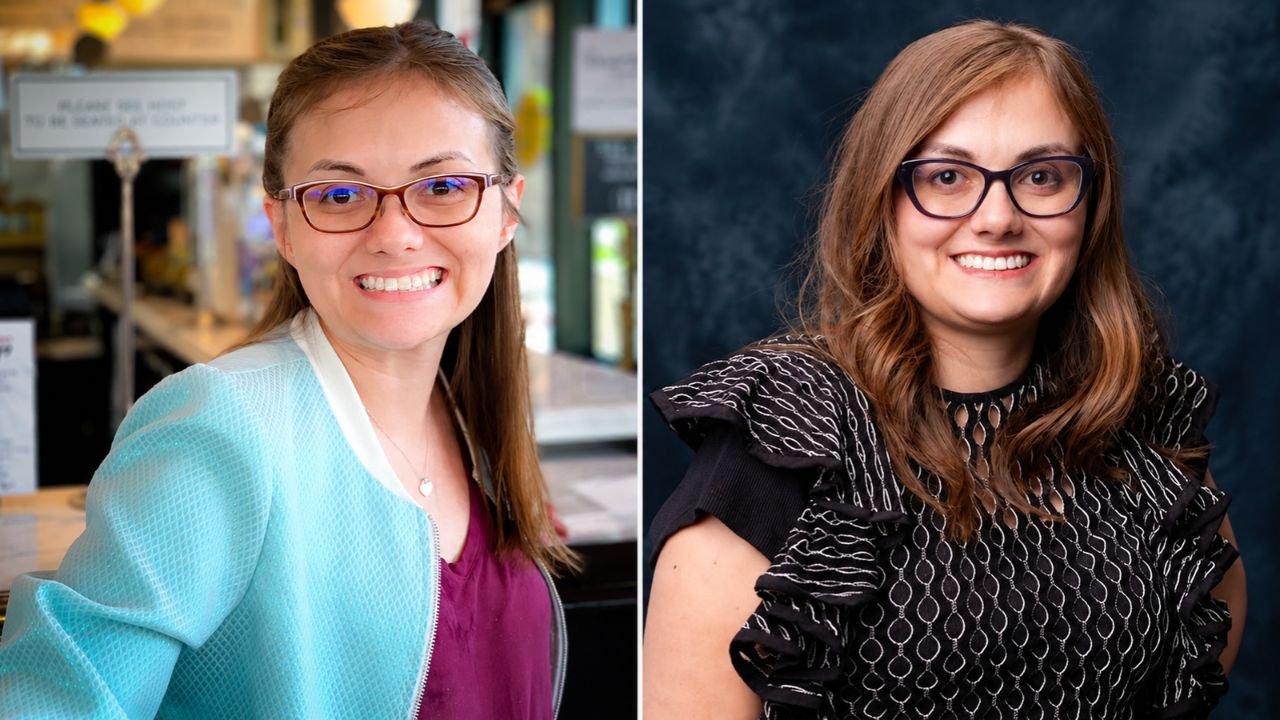
Tal Anderson is an American actor, filmmaker, author, and disability advocate who has built a growing career through television, film, writing, and advocacy. She became widely recognized for playing Sid in Atypical before taking on the role of Becca King in the medical drama The Pitt. Her work has also included As We See It, Magnum P.I., short films, children’s books, and projects behind the camera. Alongside her entertainment career, Tal Anderson has spoken openly about autism, disability, representation, and the importance of creating opportunities for neurodivergent people in the entertainment industry.
Early Life and Childhood
Tal Anderson grew up in Southwest Florida and developed an interest in storytelling from an early age. She has spoken publicly about being a child who communicated differently and did not begin speaking until she was around four years old. Her childhood experiences shaped the way she understood stories, people, and communication, and these experiences later influenced both her acting and writing. Rather than treating those early difficulties as the entire story of her childhood, Anderson has described how imagination and storytelling gave her another way to express herself.
As a child, Anderson enjoyed creating stories and recording parts of everyday life. She used a FLIP video camera and other recording devices to capture ideas and moments around her. This early interest in making things with a camera eventually connected with her later work in filmmaking and production. Her background therefore reflects a long-standing interest in storytelling rather than a sudden decision to enter entertainment.
How Tal Anderson Started Acting
Anderson began taking acting classes when she was 15. Her mother initially enrolled her in acting classes partly because Anderson was experiencing difficulties with social interaction. What started as an opportunity to work on communication and confidence eventually became a serious creative pursuit. Acting gave her a structured environment in which she could explore characters, dialogue, emotions, and different ways of interacting with other people.
The experience also helped Anderson discover that she enjoyed performing. Instead of keeping acting as a simple extracurricular activity, she continued developing her skills and eventually pursued professional opportunities. Her story is notable because acting became connected to personal development before it became a career. That background adds useful context to the professional path that followed.
Tal Anderson’s Education and Film Training
Anderson pursued formal education in film at Full Sail University. She earned a Bachelor of Science degree in Film and graduated as valedictorian, giving her an academic foundation that extends beyond acting. Her training has included work in acting, comedy, improv, movement, and voice-over performance. These areas helped her develop a broader understanding of how entertainment projects are created and performed.
Her education also supports her work behind the camera. Anderson has developed experience in areas including filmmaking, editing, writing, producing, and directing. This makes her career different from that of an actor whose work is limited to appearing on screen. Her interest in filmmaking has remained connected to her wider goal of telling stories and helping audiences see characters from different perspectives.
Tal Anderson’s Acting Career
Tal Anderson’s professional acting career includes television roles in several productions before she became especially associated with The Pitt. Her credits show a progression from supporting television appearances toward more substantial characters. Each project has offered a different setting and allowed her to work with different casts, writers, directors, and production teams. Her career has also demonstrated her ability to work across comedy, drama, and character-driven storytelling.
Some of the projects associated with Anderson include:
- Atypical
- As We See It
- Magnum P.I.
- The Pitt
- Short-film projects
- Other film and television work
Her career has continued to expand alongside her work as a writer, filmmaker, and advocate. This combination has allowed her to approach entertainment from several directions rather than focusing exclusively on acting.
Tal Anderson in Atypical
One of Anderson’s early television roles that attracted attention was Sid in Atypical. The Netflix comedy-drama follows Sam Gardner and his family while exploring relationships, independence, school, adulthood, and autism. Anderson’s character became part of the show’s later seasons and gave her an opportunity to contribute to a series that already had a strong connection to conversations about autism and representation.
Anderson has explained that her audition for Atypical originally involved a smaller part, but the production team responded positively to her performance. The opportunity developed into the recurring character of Sid, giving her a larger role than initially expected. Her work on the series helped establish her as a recognizable young actor and provided experience that later supported more demanding television roles.
Tal Anderson in As We See It
Anderson also appeared in As We See It, a series centered on three autistic roommates navigating adulthood, relationships, work, and independence. She played Gia, adding another connection between her acting career and stories involving neurodivergent characters. The series approached autism through the everyday lives of its characters rather than presenting them solely through clinical or dramatic descriptions.
Her involvement in the production contributed to a growing body of screen work connected to authentic disability representation. Anderson has repeatedly emphasized the value of having autistic people involved in entertainment rather than relying entirely on outside interpretations. Her work in projects such as As We See It became part of that broader professional identity.
Tal Anderson and Magnum P.I.
Anderson appeared in Magnum P.I. as Becca. The series provided another opportunity to work within a mainstream television production that was not primarily centered on autism or disability. That distinction matters because it demonstrates that her career is not limited to roles written specifically around her identity.
Her work across different genres has helped build a broader acting profile. Anderson has been able to participate in projects with different tones and storytelling styles while continuing to develop her skills. This variety is one reason her filmography is worth considering as a whole rather than focusing on a single television role.
Tal Anderson in The Pitt
The Pitt became one of the defining projects of Anderson’s career. She plays Becca King, a character connected to the medical staff and storylines at the center of the series. The medical drama uses the intense environment of an emergency department to examine professional pressure, personal relationships, difficult decisions, and the experiences of patients and families.
Anderson’s performance brought additional attention because Becca is an autistic character whose story involves more than a diagnosis. The character has her own relationships, preferences, challenges, and goals. This approach allows the audience to see Becca as an individual rather than reducing her entire identity to autism.
Who Is Becca King?
Becca King is portrayed by Tal Anderson in The Pitt. She is connected to Dr. Mel King, played by Taylor Dearden, and her storyline explores questions surrounding independence, family relationships, responsibility, and personal choice. The character’s presence adds another perspective to a series that already deals with people facing difficult situations under intense circumstances.
Anderson has discussed the importance of Becca being allowed to make decisions about her own life. The storyline addresses a familiar issue in disability representation: the assumption that disabled people should automatically have decisions made for them. By giving Becca her own voice and preferences, The Pitt creates room for a more individual portrayal of an autistic adult.
Tal Anderson and Autism Representation
Tal Anderson has publicly identified as autistic and has spoken about her own experiences in interviews and advocacy work. Her perspective has become an important part of how she discusses representation in entertainment. She has argued for portrayals that show autistic people as individuals rather than relying on a single set of stereotypes.
Her career gives her a direct connection to the issue because she has worked both as an autistic actor and as an advocate. She has discussed the importance of having neurodivergent people involved in decisions about how their lives and experiences are portrayed. For Anderson, representation is not simply about putting an autistic character on screen; it also involves who gets to create, perform, and shape those stories.
Is Tal Anderson Autistic?
Yes, Tal Anderson has publicly discussed being autistic and has described herself as an autistic actor and advocate. Her public conversations about autism include her experiences growing up, communication differences, education, acting, and representation. She has also discussed how her experiences influence the way she approaches roles involving autistic characters.
Anderson has spoken about additional disabilities and differences that have affected her life. These include hypotonia or low muscle tone, a specific math disability, and auditory processing disorder. She has explained that auditory processing difficulties can make spoken communication harder, particularly in stressful or noisy environments. These details come from her own public discussions and should not be expanded into assumptions about aspects of her health that she has not discussed.
Tal Anderson’s Approach to Disability Advocacy
Anderson’s advocacy extends beyond her acting work. She has been associated with disability and autism organizations and has used interviews, public appearances, writing, and entertainment projects to discuss representation. Her focus includes opportunities for neurodivergent people both in front of the camera and behind it.
Her approach is closely tied to the idea that representation should involve genuine participation. An autistic character may appear on screen, but meaningful representation also depends on writers, actors, filmmakers, consultants, and production professionals having opportunities to contribute. Anderson’s own career across acting and filmmaking gives her experience with more than one part of that process.
Tal Anderson’s Work as an Author
Acting is only one part of Anderson’s creative career. She is also involved in the Oh, Tal! children’s book series, created with illustrator Michael Richey White. The books use a young character to explore experiences involving misunderstanding, difference, communication, and the pressure children can feel when other people expect them to behave in a particular way.
The books draw on themes that connect with Anderson’s own childhood experiences. Rather than presenting difference as something that needs to be hidden, the stories encourage readers to understand that people can experience the world in different ways. This gives Anderson another way to reach young audiences beyond television and film.
Oh, Tal! Not Today
Oh, Tal! Not Today is part of Anderson’s work as a children’s author. The book centers on a young character and uses an accessible story to explore feelings and situations that can be familiar to children who experience the world differently. The project also reflects Anderson’s interest in creating stories in which children can recognize themselves without being reduced to a label.
The book is particularly relevant to Anderson’s wider advocacy because she has talked about wanting children to feel seen and understood. Her experiences as a child helped shape the themes behind the series. The result is a creative project that connects her personal perspective with her interest in storytelling for younger readers.
Oh, Tal! Not Like That
Oh, Tal! Not Like That continues the series and places the character in a school environment. The story deals with the pressure to complete tasks in the way other people consider correct. Its message centers on the idea that there can be more than one valid way to approach a problem or complete an activity.
The school setting also connects with Anderson’s own memories of feeling pressure to conform. This makes the book another example of how her childhood experiences have influenced her creative work. Instead of simply explaining neurodiversity, the story allows readers to encounter the idea through an everyday situation.
Tal Anderson’s Work Behind the Camera
Anderson’s interests extend into filmmaking and production. Her film education and professional experience have included work in areas such as editing, writing, producing, and directing. She has also participated in documentary and other creative projects beyond her best-known acting roles.
Her behind-the-camera work is significant because it reinforces the wider direction of her career. Anderson is not only interested in performing someone else’s story; she has also developed skills that allow her to help create stories. This combination gives her greater control over the subjects and perspectives she wants to explore.
Tal Anderson’s Short-Film Work
Alongside television, Anderson has participated in short-film projects. Her official professional material identifies projects including Breaking Normal and Don’t Look Out, adding another part of her work as a filmmaker and actor. Short films can give performers and filmmakers opportunities to experiment with storytelling in ways that differ from large television productions.
These projects also fit naturally with Anderson’s broader interest in filmmaking. Her career has developed across several forms of media rather than following a single straight path. Acting, writing, editing, and production remain connected through her interest in storytelling.
Tal Anderson’s Awards and Emmy Recognition
The Pitt brought Anderson some of the biggest professional recognition of her career. She received a 2026 Primetime Emmy nomination for Outstanding Guest Actress in a Drama Series for her performance in the series. The nomination placed her among performers recognized by one of television’s most prominent award organizations.
Anderson has also received recognition from other award organizations. Her professional biography identifies an Astra Award win for Best Guest Actress in a Drama Series for The Pitt. These achievements mark a significant stage in a career that began with acting classes during her teenage years.
Her Emmy nomination also has meaning beyond a personal career milestone. Anderson has spoken about the importance of recognition for autistic and disabled performers. Her growing visibility gives her a larger platform for discussing representation and opportunities within the entertainment industry.
Tal Anderson’s Personal Interests
Away from acting and advocacy, Anderson has several interests that add personality to her public profile. She has described herself as a fan of horror movies, rock music, and true crime. She also lives in Los Angeles and has a cat named Winifred.
These interests offer a glimpse of the person behind her professional work. They also show why a biography of Anderson should not focus exclusively on autism or disability. Her career includes many different interests and creative activities, and those parts of her identity exist alongside her advocacy work.
Tal Anderson’s Filmography
Anderson’s screen career includes television and film work across different genres. Her best-known television roles currently include Sid in Atypical, Gia in As We See It, Becca in Magnum P.I., and Becca King in The Pitt.
Some of the major titles associated with her career include:
- Atypical
- As We See It
- Magnum P.I.
- The Pitt
- Breaking Normal
- Don’t Look Out
Her filmography is likely to continue expanding as she takes on additional acting and filmmaking projects. The progression from smaller opportunities to major television recognition demonstrates how her career has developed over time.
Why Tal Anderson’s Career Stands Out
Tal Anderson’s career stands out because several parts of her professional life reinforce one another. Her acting has brought her visibility, while her filmmaking gives her experience behind the camera and her books allow her to communicate with younger audiences. Her advocacy adds another dimension by connecting her professional work with conversations about disability and representation.
The most distinctive part of her story is the connection between personal experience and creative work. Experiences involving communication, autism, school, social interaction, and being misunderstood appear in different forms throughout her career. She has used those experiences not simply as biographical facts but as inspiration for acting, writing, filmmaking, and advocacy.
Frequently Asked Questions About Tal Anderson
Who is Tal Anderson?
Tal Anderson is an American actor, filmmaker, author, and disability advocate. She is best known for roles including Sid in Atypical and Becca King in The Pitt. She has also appeared in As We See It and Magnum P.I. and has worked on projects behind the camera.
Is Tal Anderson autistic?
Yes. Tal Anderson has publicly identified as autistic and has discussed her experiences in interviews and advocacy work. She has spoken about autism, communication, representation, and the importance of authentic opportunities for neurodivergent performers.
What does Tal Anderson play in The Pitt?
Tal Anderson plays Becca King in The Pitt. Becca is connected to Dr. Mel King and has storylines involving independence, family relationships, and personal decision-making. Anderson’s performance has become one of the major parts of her recent career.
What movies and TV shows is Tal Anderson in?
Tal Anderson’s notable screen credits include Atypical, As We See It, Magnum P.I., and The Pitt. She has also appeared in short-film projects and has developed experience in filmmaking and other production roles.
Why is Tal Anderson known for disability advocacy?
Tal Anderson has used her public platform to discuss autism, disability, and representation in entertainment. She supports greater participation by neurodivergent people both in front of and behind the camera. Her acting roles, children’s books, interviews, and filmmaking work all connect with her interest in creating more authentic representation.
Conclusion
Tal Anderson’s career is much broader than her best-known television roles. She moved from acting classes during her teenage years into professional television, filmmaking, writing, and advocacy, with Atypical and The Pitt becoming major milestones along the way. Her public discussions about autism and disability have also given her career a wider purpose, particularly through her work promoting authentic representation and opportunities for neurodivergent people.
The Pitt has brought Anderson significant recognition, including a 2026 Emmy nomination, while her Oh, Tal! books show another side of her creative work. Her career continues to combine performance, storytelling, filmmaking, authorship, and advocacy. For that reason, Tal Anderson is best understood not simply as an actor from a few popular television shows, but as a multifaceted creative professional whose personal experiences have influenced the stories she chooses to tell.