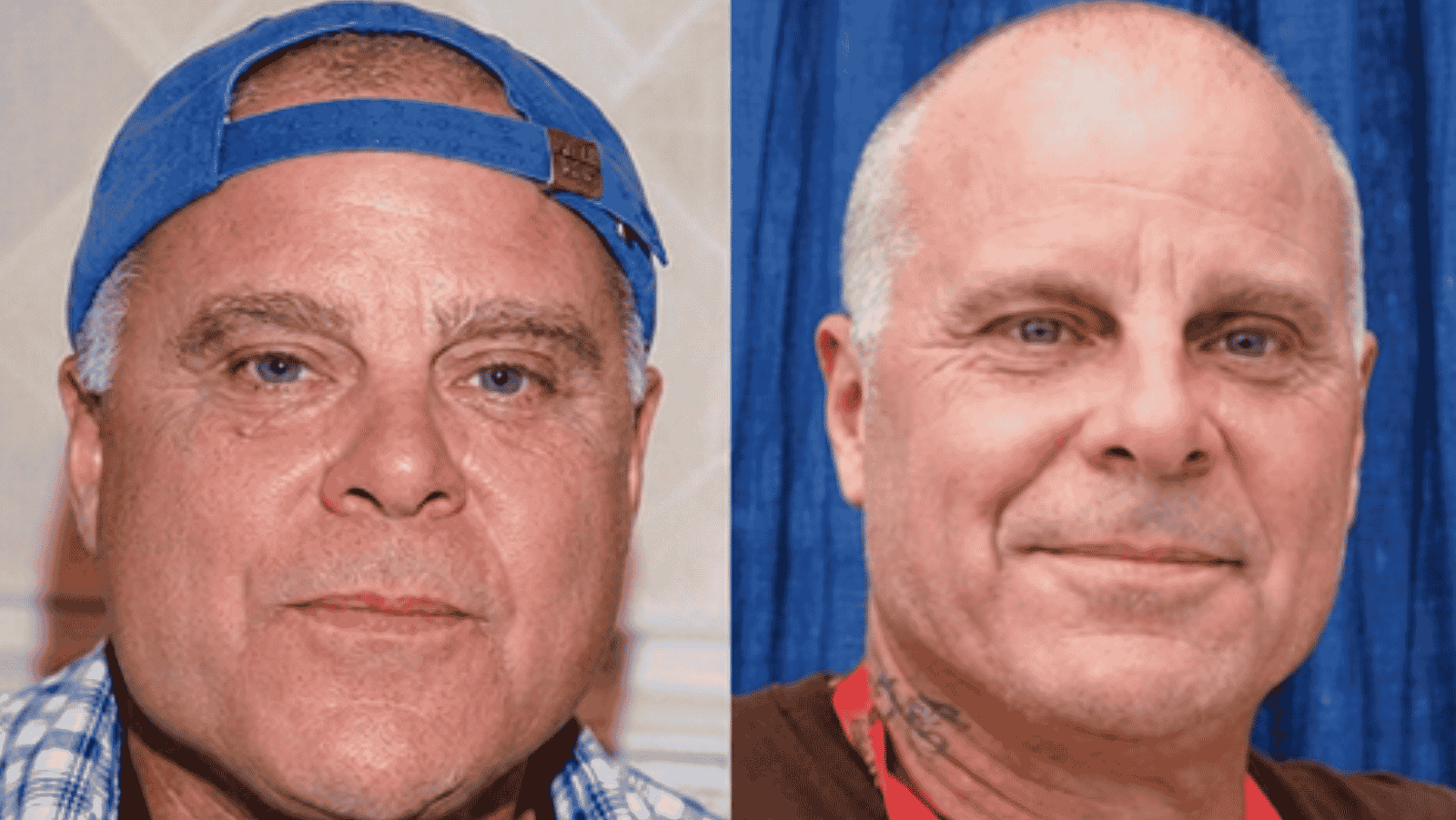
Tony Moran is an American actor and producer best known for appearing as the unmasked Michael Myers in the original horror film Halloween (1978). Although his screen time in the movie was brief, his appearance became part of one of the most recognised moments in horror cinema. He also comes from a family with connections to the entertainment industry, as his younger sister was actress Erin Moran, who became widely known for playing Joanie Cunningham on Happy Days. Tony’s career includes television appearances, independent films, horror projects and work behind the camera. His story is closely connected to both the success of Halloween and the early acting experiences he shared with his sister.
Who Is Tony Moran?
Tony Moran, whose birth name is Anthony Moran, was born on August 14, 1957, in Burbank, California, United States. He entered the entertainment industry at a young age and gradually built a career through television and film appearances. Many viewers recognise him because of his connection to Halloween, where he portrayed Michael Myers without the mask during the character’s memorable final reveal. His contribution was small in terms of screen time, but it became an important part of the film’s identity. Outside that role, he has worked on other productions, including independent horror films.
Moran is sometimes described as an actor who became famous for a single scene, but that description does not cover his full career. He appeared in television programmes before and after Halloween and later took part in several independent film projects. His work also extended into producing, showing that his interests were not limited to acting. Horror fans have continued to follow his career through interviews, convention appearances and discussions about the original Halloween film. His name remains closely associated with the franchise, even though other performers portrayed Michael Myers in different scenes.
Tony Moran’s Early Life and Family Background
Tony Moran grew up in Burbank, California, in a family with several children. His parents were Edward Moran and Sharon Moran, and his siblings included Erin Moran, John Moran and his twin sister, Kelly Moran. The family was not originally known for working in the entertainment business, but acting became an important part of the lives of more than one sibling. Tony and Erin both entered the industry while they were young. Their early experiences gave them a connection that continued throughout their professional lives.
Growing up in a large family meant that Tony was not the only child pursuing opportunities in acting. Erin began working as a child performer and later became the most widely recognised member of the family through her television career. According to accounts shared by Tony, Erin’s experience helped encourage him to consider acting as well. Their parents supported their children’s activities, although they were not themselves established figures in Hollywood. This family background helps explain how Tony first became connected to the entertainment industry.
His Connection With Erin Moran
Tony Moran is the older brother of Erin Moran, the actress who played Joanie Cunningham on Happy Days. Erin became a familiar face to television audiences during the 1970s and 1980s, while Tony followed a different path through film and television roles. Their careers developed in separate directions, but both had early experiences in front of cameras. One of their shared childhood experiences was appearing together in a commercial for First Federal Bank. That early appearance is an interesting detail because it connects their professional lives before either became widely recognised.
Erin’s success on Happy Days brought considerable public attention to the Moran family. She played Joanie Cunningham, the younger sister of Richie Cunningham, and later appeared in the spin-off series Joanie Loves Chachi. Tony did not become known through a similar long-running television role, but his appearance in Halloween gave him a lasting place in film history. The siblings therefore became recognised for very different reasons. Erin was associated with a popular family sitcom, while Tony became linked with one of horror cinema’s best-known characters.
Tony’s relationship with Erin is also one reason people search for information about his personal background. Readers often want to know whether the two actors were related, whether they worked together and how their careers developed. Their family connection is confirmed, and their shared commercial appearance offers a small example of their early professional experiences. However, it is better to keep the focus on information that can be supported rather than assume details about their private relationship. Tony’s own acting career deserves attention beyond his connection to his famous sister.
How Tony Moran Began His Acting Career
Tony’s entry into acting came during his childhood and teenage years, when he started looking for opportunities in television and film. His early career was not an immediate path to fame, and he had to attend auditions and take whatever opportunities became available. Accounts of his early experiences describe the difficulties of trying to find work in Hollywood. One story associated with this period involves him working in a Frankenstein costume around Hollywood and Vine. It reflects the unusual jobs and promotional work that aspiring performers sometimes took while trying to establish themselves.
His early television appearances helped him gain experience in front of the camera. These roles gave him opportunities to work on professional productions and understand how television sets operated. He appeared in programmes such as James at 15, The Waltons and California Fever. He also had a part in CHiPs, a popular police drama that featured different guest performers throughout its run. These appearances helped build his experience before and after the release of Halloween.
Tony’s early work is worth mentioning because it shows that his acting career did not begin with Michael Myers. The Halloween role became the most memorable credit associated with his name, but he had already been pursuing opportunities in the entertainment business. Television work also required him to adapt to different characters and production styles. Guest roles rarely bring the same attention as a major film appearance, yet they can provide valuable experience for an actor. His early credits form an important part of the background to his later horror-film recognition.
How Tony Moran Got the Role of Michael Myers in Halloween
Tony Moran’s most recognised acting role came in John Carpenter’s Halloween, released in 1978. The film introduced audiences to Michael Myers, a masked killer who returns to his hometown and terrorises a group of young people. The production had a relatively modest budget, but its suspenseful storytelling and distinctive atmosphere helped it become a major success. Moran became involved through his agent, who arranged an opportunity for him to audition. His casting eventually led to one of the film’s most remembered images.
Moran has discussed how he was not immediately interested in taking part in a horror movie. The genre did not initially appeal to him, and he reportedly had reservations about accepting the opportunity. His attitude changed after he learned that Donald Pleasence was involved in the production. Pleasence was already an established actor, and his participation made the project more appealing to Moran. The opportunity eventually brought him into a film that would become a lasting part of horror history.
The casting process also involved director John Carpenter and producer Irwin Yablans. Moran’s role was not the same as that of the performers who played Michael Myers throughout most of the film. The production used different actors for different parts of the character, depending on the scene and the requirements of the performance. Moran was selected for the moment when the audience sees Michael Myers without his mask. This distinction is important because it explains why his contribution is brief but still memorable.
Tony Moran’s Appearance as the Unmasked Michael Myers
One of the most important scenes in Halloween takes place near the end of the film, when Michael Myers is seen without his mask. Tony Moran played the unmasked version of the character during this reveal. The moment gives the audience a rare look at the face behind the mask and adds another layer of tension to the ending. Moran’s appearance is short, but it became one of the details that horror fans continued discussing for decades. For many viewers, his face is part of the original film’s lasting visual identity.
It is useful to understand that Moran did not play Michael Myers in every scene. Nick Castle portrayed the masked Shape in much of the original movie, while other performers were also used for particular sequences. The character’s physical presence and movement were central to the film, so the production relied on more than one performer to complete the role. Moran’s contribution focused on the unmasked appearance. This is why descriptions of him as the actor who played the entire role can be misleading.
The unmasking scene also helped give Michael Myers a recognisable human face without reducing the mystery surrounding him. Much of the film’s fear comes from the character’s silence, movement and apparently unstoppable presence. Showing his face briefly creates a different kind of tension because the audience sees the person behind the mask. Moran’s appearance became closely associated with that moment. Even viewers who do not know his name may recognise the scene when they watch the original film.
How Much Was Tony Moran Paid for Halloween?
Reports about Tony Moran’s payment for Halloween have often stated that he received approximately $250 for his appearance. This figure is frequently repeated in discussions of the film and its low-budget production. However, it should be treated as a reported amount rather than a fully documented financial record. The original Halloween was made on a modest budget, and many people involved in the production were not paid the large sums associated with major studio films. The film’s later success gave its cast and crew a lasting place in cinema history, but that success was not obvious during production.
The reported payment is striking because Halloween eventually became one of the most influential independent horror films of its period. Its success helped establish Michael Myers as a major horror character and led to sequels, remakes and a long-running franchise. Moran’s brief appearance became more widely recognised as the film’s reputation grew. The contrast between the reported payment and the lasting attention attached to the role is one reason the story continues to interest fans. Still, the exact amount should be described carefully rather than presented as an independently verified figure.
Tony Moran Movies and TV Shows
Tony Moran’s filmography includes television appearances and film roles across several decades. Halloween remains his best-known credit, but it was not his only work as a performer. His television appearances included programmes that were popular with American audiences during the late 1970s and early 1980s. Later, he appeared in independent films, including horror productions that reached audiences through smaller releases and genre communities. The following list includes credits commonly associated with his acting career.
| Year | Production | Role or credit |
|---|---|---|
| 1978 | Halloween | Unmasked Michael Myers |
| 1978 | James at 15 | Tom |
| 1979 | The Waltons | Tinker |
| 1979 | California Fever | Brian |
| 1981 | CHiPs | Anderson |
| 2008 | The Lucky Break | Mark Ashby |
| 2011 | Beg | Jack Fox; producer |
| 2011 | Emerging Past | Blind Man |
| 2015 | The Ungovernable Force | Don Ruggero Corbucci |
| 2016 | American Poltergeist | Doug |
| 2018 | Death House | Miguel |
| 2019 | Clown Motel: Spirits Arise | Frank |
| 2020 | The Trees Have Eyes | Bossk |
The television credits show that Moran worked in different types of productions before becoming strongly associated with horror. James at 15, The Waltons, California Fever and CHiPs were part of a period when television offered guest roles to a large number of emerging actors. These appearances did not create the same public recognition as Halloween, but they demonstrate that he had experience beyond one film. His later projects also show a continued connection with independent cinema. For readers researching Tony Moran movies and TV shows, it is useful to consider both his early television work and his later film appearances.
Filmographies can differ between entertainment databases, personal websites and production records. Some smaller films may have limited distribution or incomplete cast information, which can make individual credits difficult to verify. It is therefore sensible to check a production’s official credits before treating every online listing as definitive. The titles above provide an overview of projects associated with Moran, rather than a guarantee that every database records them in exactly the same way. Halloween remains the central title in his public filmography.
Tony Moran’s Work as a Film Producer
Tony Moran has also been credited as a producer, showing that his work has not been limited to performing in front of the camera. One project associated with this side of his career is the independent film Beg, released in 2011. Moran was credited as both an actor and a producer on the project. Independent productions often require people to take on more than one responsibility, especially when budgets and production teams are smaller. His producer credit offers another way to understand his involvement in filmmaking.
Producing is different from acting because it involves helping a project move from an idea to a completed production. Depending on the project, a producer may be involved in arranging resources, supporting production decisions and helping coordinate the work of the team. Moran’s credit on Beg suggests an interest in the production side of independent film. However, one producer credit should not be used to suggest that he built a large production company or managed a major studio operation. The available information supports describing it as part of his work in independent filmmaking.
Tony Moran’s Later Horror Film Career
After Halloween, Moran continued to be connected with horror cinema through later film appearances and participation in genre-related projects. Independent horror films gave him opportunities to work with filmmakers outside the major studio system. Some of these productions reached audiences through smaller releases, while others became known among fans who follow low-budget horror. His later credits include films such as American Poltergeist, Death House and Clown Motel: Spirits Arise. These projects helped keep his name connected to the genre that first brought him widespread recognition.
Horror films often build audiences through word of mouth, fan communities and events rather than through large theatrical releases. Actors associated with well-known classics can also attract attention when they appear in later genre productions. Moran’s connection to the original Halloween gives fans a reason to follow his subsequent work. His appearances in independent horror projects show that he continued to participate in the genre rather than leaving it behind after his best-known role. The scale of these later productions differs from the reach of Halloween, but they form part of his career.
Tony Moran’s Interviews and Horror Convention Appearances
Tony Moran has spoken about his experience working on Halloween in interviews over the years. These conversations have helped fans learn more about the film’s production and the circumstances surrounding his casting. He has discussed his initial hesitation about appearing in a horror movie and the way he came to accept the opportunity. Interviews also provide details about how the unmasked Michael Myers scene was filmed. His recollections are useful because the original production took place decades ago, and first-hand accounts help preserve its history.
Horror conventions have also played a role in keeping Moran connected with audiences. These events bring together actors, filmmakers, collectors and fans of horror franchises. Guests may take part in discussions, meet visitors and sign memorabilia related to their work. For an actor associated with a famous scene, conventions offer a chance to speak directly with people who remember the film. Moran’s connection with Halloween makes his appearances of interest to fans of the original movie and the wider franchise.
Tony Moran’s Wife and Personal Life
People searching for Tony Moran often want to know whether he is married, who his wife is and whether he has children. However, reliable public information about these parts of his personal life is limited. It would not be accurate to name a wife or provide details about children without dependable confirmation. Moran has discussed aspects of his acting career in public interviews, but that does not mean every part of his private life is documented. For that reason, his personal relationships should be treated with care when writing about him.
His family connection with Erin Moran is much clearer in public records and interviews. Erin was his younger sister and became a well-known television actress through Happy Days. Tony’s own public identity developed through a different part of the entertainment business, particularly horror films. The two siblings shared early experiences in acting, including their appearance in a bank commercial. Beyond those established details, it is better not to make assumptions about private family matters.
Tony Moran Net Worth and Earnings
There is no widely verified public figure that establishes Tony Moran’s exact net worth. Websites that publish celebrity wealth estimates may give numbers, but those figures are not necessarily based on confirmed financial documents. An actor’s earnings can come from different sources, including film and television work, independent productions, appearances and other professional activities. Without reliable financial records, it is not possible to calculate Moran’s current wealth accurately. Any specific net worth figure should therefore be treated as speculation.
His reported payment for Halloween is often discussed because the film later became a major horror success. However, the reported amount for one appearance does not reveal his total career earnings. It also does not provide information about later payments, convention income, investments or personal expenses. The fact that Halloween became successful does not automatically mean every performer received large financial rewards from the franchise. A careful article should distinguish between the reported payment for the film and claims about Moran’s overall wealth.
What Is Tony Moran Doing Now?
Information about Tony Moran’s recent professional activities is less extensive than the material available about his work on Halloween. He has remained connected with horror fans through interviews, appearances and projects associated with independent genre filmmaking. His name continues to appear in discussions of the original Michael Myers reveal, particularly when fans revisit the film’s cast and production history. Later horror projects have also kept his film career part of the conversation among genre audiences. However, claims about a current full-time project or a new release should be checked against recent announcements before being presented as confirmed.
Moran’s lasting connection with Halloween means that interest in his career can return whenever the franchise receives renewed attention. New generations of viewers continue to discover the original 1978 film, and many become curious about the actors who helped create its most memorable scenes. For Moran, that interest is tied to a brief but distinctive appearance. His later work provides additional context for his career, but the unmasked Michael Myers scene remains the main reason many people search for his name. That connection has kept him relevant to horror discussions long after the film’s original release.
Why Tony Moran Remains Recognised by Horror Fans
Tony Moran’s place in horror history comes from a specific contribution rather than a long-running role in a major franchise. The original Halloween relied on suspense, atmosphere and the mystery surrounding Michael Myers. Moran appeared at a moment when the film briefly revealed the face behind the mask, creating an image that audiences remembered. The scene became part of the film’s identity and helped make his name recognisable to fans. It is an example of how a short performance can remain culturally significant when it is attached to a successful film.
His career also shows how actors can become known for one role while continuing to work in other productions. Moran appeared in television programmes, independent films and later horror projects, and he also received a producer credit. His connection to Erin Moran adds another part to his background, linking him to a family with experience in television and film. These details make his biography more complete than a simple description of him as the unmasked Michael Myers. His story includes early acting work, family connections and a career that continued beyond the film that made him famous.
Conclusion
Tony Moran is best known for playing the unmasked Michael Myers in John Carpenter’s Halloween, but his career includes more than that brief appearance. Born in Burbank, California, he began acting at a young age and appeared in television productions before becoming part of the 1978 horror film. He is also the older brother of Erin Moran, the actress who played Joanie Cunningham on Happy Days, and the two shared an early commercial appearance. Later in his career, Tony worked on independent films, appeared in horror projects and received a producer credit. Although reliable information about his net worth and private relationships remains limited, his contribution to Halloween continues to make him a recognised name among horror fans.
Frequently Asked Questions About Tony Moran
1. Who is Tony Moran?
Tony Moran is an American actor and producer born on August 14, 1957, in Burbank, California. He is best known for appearing as the unmasked Michael Myers in the original Halloween film released in 1978. He has also appeared in television programmes and independent films. His career includes work in both acting and film production.
2. Is Tony Moran related to Erin Moran?
Yes, Tony Moran is the older brother of actress Erin Moran. Erin became famous for playing Joanie Cunningham on the television series Happy Days. The siblings both worked as child performers and appeared together in a First Federal Bank commercial. Their acting careers later developed in different directions.
3. Did Tony Moran play Michael Myers in Halloween?
Tony Moran played the unmasked Michael Myers in the original Halloween (1978). He appeared during the film’s final reveal, when the audience briefly sees the character without his mask. Nick Castle portrayed the masked Shape in much of the movie, while other performers were used for additional scenes. Moran should therefore be described as the actor who played the unmasked version, not the performer in every Michael Myers scene.
4. How much did Tony Moran get paid for Halloween?
Reports commonly state that Tony Moran received around $250 for his appearance in Halloween. The amount is frequently repeated in articles and discussions about the film, but it should be treated as a reported figure rather than a fully verified financial record. The movie was produced on a modest budget before becoming a major horror success. The reported payment does not establish Moran’s total earnings from his acting career.
5. What movies and TV shows has Tony Moran appeared in?
Tony Moran’s credits include Halloween, James at 15, The Waltons, California Fever and CHiPs. His later film appearances include The Lucky Break, Beg, Emerging Past, American Poltergeist, Death House and Clown Motel: Spirits Arise. Halloween remains his best-known screen role because of his appearance as the unmasked Michael Myers. His filmography also includes a producer credit for the independent film Beg.